Perineal Hernia in Dogs: A Complete Guide for Pet Owners

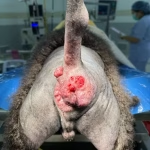
Perineal hernia is a significant medical condition in dogs characterized by the failure of the pelvic diaphragm, specifically the levator ani and coccygeus muscles. When these muscles weaken or collapse, pelvic and abdominal organs—such as the rectum, prostate, or even the urinary bladder—can protrude into the perineal area, the region surrounding the anus. While this condition is most commonly observed in middle-aged to older intact male dogs, understanding its underlying causes and symptoms is crucial for early intervention and successful management.
What you will read in this article
What is a Perineal Hernia and Why Does It Happen?
A perineal hernia occurs when the pelvic diaphragm—a wall of muscles that supports the rectum and keeps abdominal organs in place—fails or weakens. This structural failure usually involves the levator ani and coccygeus muscles. When these muscles are no longer strong enough to provide support, the pelvic and abdominal viscera can displace and bulge into the perineum. While the exact cause is often multifactorial, it is frequently linked to chronic straining, which puts excessive pressure on the pelvic floor, leading to the gradual separation of these muscle layers.
Common Causes and Risk Factors
The Role of Hormones and Prostatic Disease
Hormonal influence is considered a cornerstone in the pathogenesis of perineal hernias. Prostatic hypertrophy, often caused by an imbalance between androgens and estrogens in intact males, is strongly implicated in the development of this condition. As the prostate enlarges, it can lead to increased straining during defecation and potentially alter the local hormonal environment, further weakening the pelvic diaphragm muscles. This strong correlation is why the disease is predominantly seen in sexually intact dogs.
Are Certain Breeds More at Risk?
While perineal hernias are frequently diagnosed in mixed-breed dogs, several specific breeds show a clear predisposition. Owners of Welsh Corgis, Boston Terriers, Boxers, and Collies should be particularly vigilant. Other breeds with reported higher incidences include Kelpies, Dachshunds, Old English Sheepdogs, Pekingese, and Miniature Poodles. Understanding these breed-specific risks helps in earlier clinical screening for older male dogs within these groups.
Recognizing the Symptoms: Is Your Dog in Pain?
Early detection of a perineal hernia can significantly improve the outcome for your dog. While the condition often starts with subtle changes, it can progress into a serious health issue. It is important to monitor both the physical appearance of the pelvic area and your dog’s bathroom habits.
Physical Signs: Perineal Swelling
The most common physical indicator is a visible swelling in the perineal region, located on one or both sides of the anus. Interestingly, this swelling is usually not painful to the touch, though it often feels soft and fluctuant. This bulging is caused by the displacement of internal tissues through the weakened pelvic muscles.
Digestive Issues: Constipation and Straining
Dogs with a perineal hernia often struggle with gastrointestinal discomfort. You may notice your dog experiencing difficulty during defecation, a condition known as dyschezia. Other common signs include chronic constipation, obstipation, or tenesmus (straining to defecate). These issues occur because the rectal wall may deviate or dilate, making it difficult for stool to pass normally.
Urinary Complications: When It Becomes an Emergency
While most signs are gradual, certain symptoms require immediate veterinary attention. If the urinary bladder becomes trapped within the hernia, your dog may experience stranguria (straining to urinate) or dysuria (painful/difficult urination). If the bladder is obstructed or if a loop of intestine becomes strangulated (leading to a lack of blood flow), the situation becomes a life-threatening emergency.
How Veterinarians Diagnose Perineal Hernias
The diagnosis of a perineal hernia is primarily established through a combination of the patient’s medical history and a thorough physical examination. Veterinarians look for consistent clinical signs and use specialized techniques to confirm the extent of the muscular failure and identify which organs have herniated.
The Importance of Rectal Examination
A digital rectal examination is the most critical tool for diagnosing this condition. During this procedure, the veterinarian can palpate the weakness or complete failure of the pelvic diaphragm. This examination reveals whether the rectal wall has deviated toward the side of the hernia (in unilateral cases) or if the rectum has dilated (in bilateral cases). In some instances, a firm mass may be felt, which could indicate that the bladder or prostate has displaced into the hernia.
Imaging: X-rays and Ultrasounds
To gain a clearer picture of the internal displacement, diagnostic imaging is often necessary. Abdominal radiographs (X-rays) can reveal if the rectum is distended with feces, or if gas-filled bowel loops and the urinary bladder have moved into the perineal space. Furthermore, perineal ultrasonography is an invaluable tool for precisely determining whether the prostate, bladder, or intestinal loops are present within the hernia, which is vital for surgical planning.
Treatment Options: Surgery and Beyond
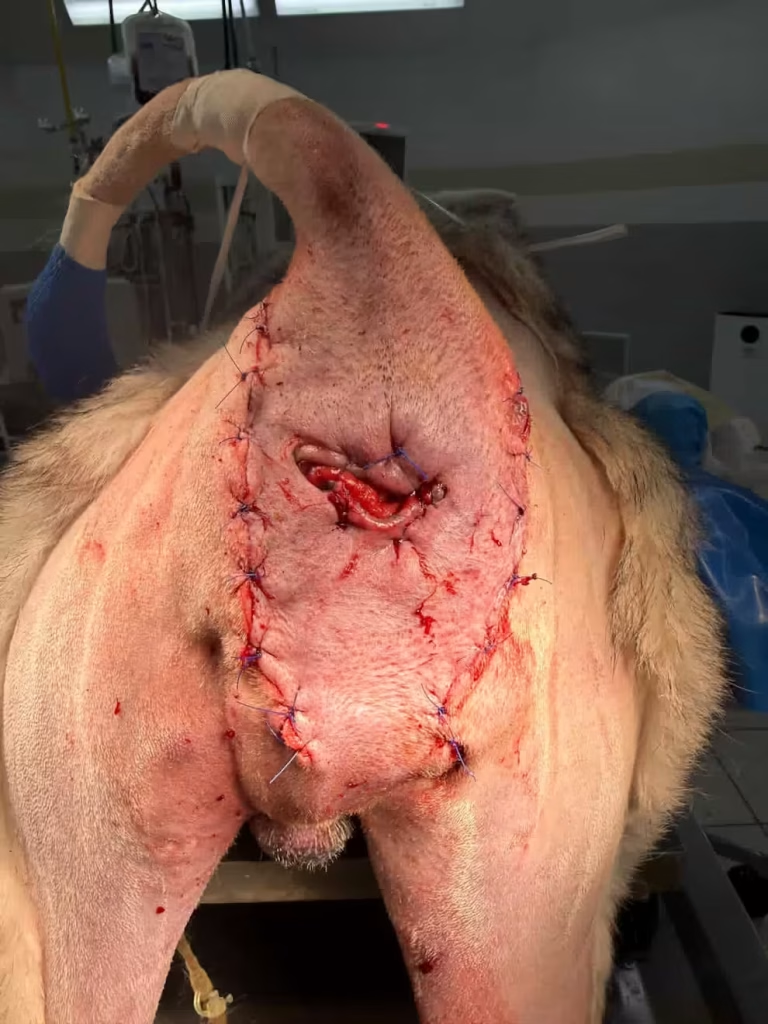
While medical management like stool softeners may provide temporary relief, they do not address the underlying muscular defect. Therefore, surgical intervention is the primary and most effective treatment for perineal hernia.
Why Surgical Correction is Necessary
Surgical correction is always indicated because the anatomical failure of the pelvic diaphragm cannot heal on its own. Without surgery, the hernia often progresses, leading to severe discomfort and potentially life-threatening complications. For instance, if the bladder becomes entrapped and causes a urinary obstruction, or if a loop of intestine becomes strangulated resulting in ischemia (loss of blood supply), the condition becomes a surgical emergency. In such urgent cases, veterinarians may need to perform cystocentesis to remove urine or use indwelling catheters to ensure the patient is stable before definitive repair.
The Importance of Concurrent Castration
One of the most critical aspects of the treatment plan is performing a concurrent castration (neutering). Since hormonal imbalances associated with intact males are a primary driver of pelvic muscle weakness and prostatic enlargement, removing the source of these hormones is essential. Research and clinical data published in the Merck Veterinary Manual show that neutering at the time of hernia repair significantly decreases the risk of the condition recurring in the future.
Recovery, Complications, and Success Rates
Understanding the recovery phase and the potential challenges following surgery is essential for any pet owner. While surgical repair is the definitive treatment, the prognosis is often considered guarded due to the intricate nature of the pelvic anatomy and the high incidence of post-operative issues.
What is the Chance of Recurrence?
One of the primary concerns with perineal hernia repair is the possibility of the condition returning. Clinical data indicates that recurrence rates can range from 10% to 46%. This high frequency of recurrence is why concurrent castration is so strongly recommended, as it addresses the underlying hormonal drivers that contribute to muscle weakness.
Potential Post-Operative Complications
The surgical area is complex and sensitive, which can lead to various complications after the procedure. Common post-operative issues reported include wound infections and the formation of rectocutaneous or anal sac fistulas. More serious complications can involve nerve damage, such as the entrapment of the sciatic or pudendal nerves, which may affect mobility or bladder control. Additionally, some dogs may experience rectal prolapse following the repair. Continuous monitoring and follow-up care with your veterinarian are vital to managing these risks effectively.
Frequently Asked Questions (FAQ)
- Can a perineal hernia be treated without surgery? While medical management (such as stool softeners and high-fiber diets) can provide temporary relief for mild cases, it does not repair the underlying muscle failure. Surgical correction is the primary treatment for a long-term solution.
- Is a perineal hernia an emergency? Typically, it is not an emergency unless the urinary bladder or a loop of the intestine becomes trapped in the hernia. If your dog cannot urinate or shows signs of extreme pain, it requires immediate veterinary intervention.
- Why does my dog need to be neutered during the hernia repair? Concurrent castration is recommended because hormonal imbalances in intact males are strongly linked to the weakening of the pelvic muscles. Neutering significantly reduces the risk of the hernia recurring.
- What are the most common signs of this condition? The hallmark signs include a visible swelling next to the anus, chronic constipation, and straining to defecate (tenesmus).
Conclusion & Reference
Perineal hernia is a complex condition requiring a precise diagnosis and skilled surgical intervention. For more detailed clinical information, you can refer to the official Merck Veterinary Manual.
- Clinical Image Credit: We would like to express our sincere gratitude to Dr. Wijit Sutthiprapa (DVM, MS, Dip. TBVS) for providing the clinical images used in this article. His contribution as a specialist in the field enhances the educational value of this guide for pet owners and veterinary students alike.
- reference: Merck veterinary manual, Perineal Hernia in Dogs, ByAlex Gallagher, DVM, MS, DACVIM-SAIM, Columbia Veterinary Emergency Triage and Specialty Reviewed ByPatrick Carney, DVM, PhD, DACVIM, Cornell University College of Veterinary Medicine
Was this article helpful for you?