Cat Rhinitis and Sinusitis: A Complete Guide to Causes, Symptoms, and Care

Is your cat struggling with persistent sneezing or labored breathing? As a cat owner, seeing your feline friend in respiratory distress is deeply concerning. Rhinitis and sinusitis (often occurring together as rhinosinusitis) are common upper respiratory disorders in cats. These conditions involve inflammation of the nasal mucous membranes and sinus linings.
Beyond just discomfort, if the nasal passages fail to function, the lungs lose their primary filtration system, exposing them to heavy loads of dust and microorganisms. Understanding whether the cause is a common virus or a complex fungal infection is the first step toward helping your cat breathe easily again.
What you will read in this article
What Are Rhinitis and Sinusitis in Cats?
To help your pet, it is important to understand what is happening inside their nasal passages. Rhinitis is the medical term for inflammation of the mucous membranes of the nose. When the inflammation extends to the lining of the sinuses, it is called sinusitis.
In most cats, these two conditions occur together, which veterinarians refer to as rhinosinusitis. These disorders are common in the upper respiratory tract of cats. When these areas become inflamed or damaged, the cat loses a major filtration function, which means their lungs are no longer protected from heavy loads of dust and micro-organisms. These conditions can be acute (sudden and short-term) or chronic (persistent and long-term).
Common Causes: Why Is Your Cat Sneezing?
Understanding the root cause of your cat’s nasal issues is vital for effective treatment. According to the Merck Veterinary Manual, the primary triggers include:
- Viral Triggers: Viral infections are the most common cause of sudden (acute) nasal issues in cats. Two major viruses are usually responsible: Feline Viral Rhinotracheitis (FVR) and Feline Calicivirus (FCV). These viruses can stay in the system and flare up during times of stress.
- Secondary Bacterial Infections: Bacteria often move in after the initial viral damage has weakened the nasal defenses. While primary bacterial rhinitis is rare, secondary infections are very common and can lead to thicker, colored discharge.
- Fungal Infections: In cats, the fungus Cryptococcus neoformans is a relatively common culprit. It can cause deep inflammation and even structural changes in the nasal bridge. Other fungi like Aspergillus are rarer but still possible.
- Allergies and Irritants: Just like humans, cats can react to environmental triggers. This includes seasonal allergens like pollen, or year-round irritants such as house dust, mold, and smoke.
Key Symptoms: How to Spot the Signs of Nasal Distress in Cats
Recognizing the symptoms early can prevent acute rhinitis from turning into a chronic condition. Here is what you should look for:
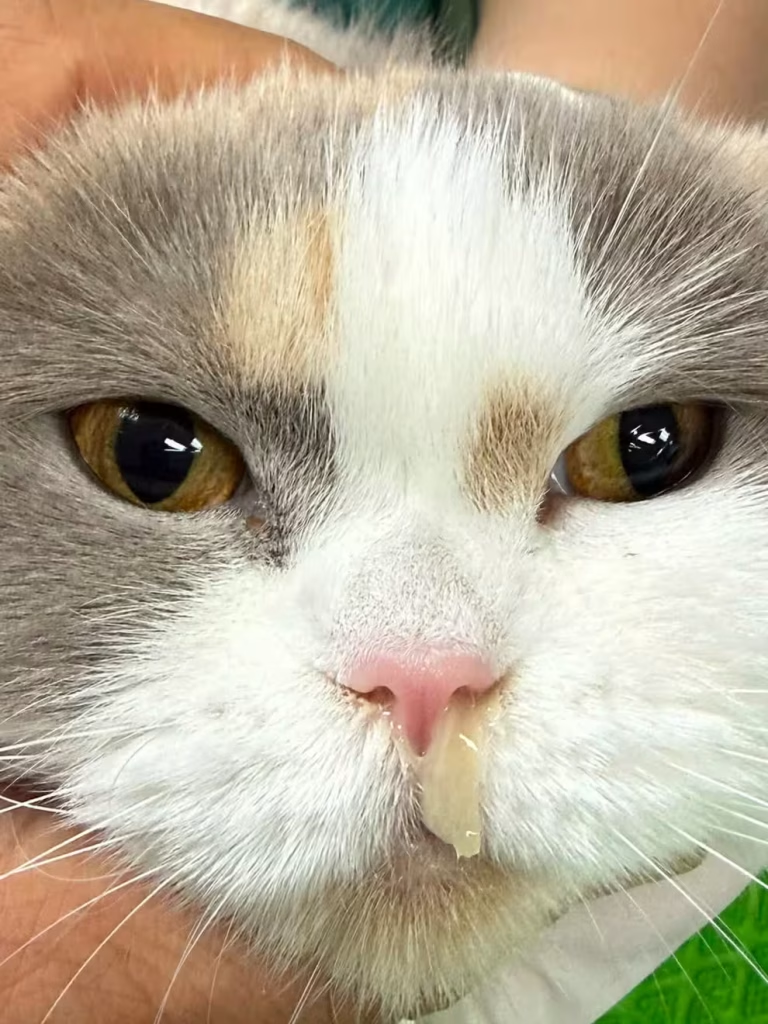
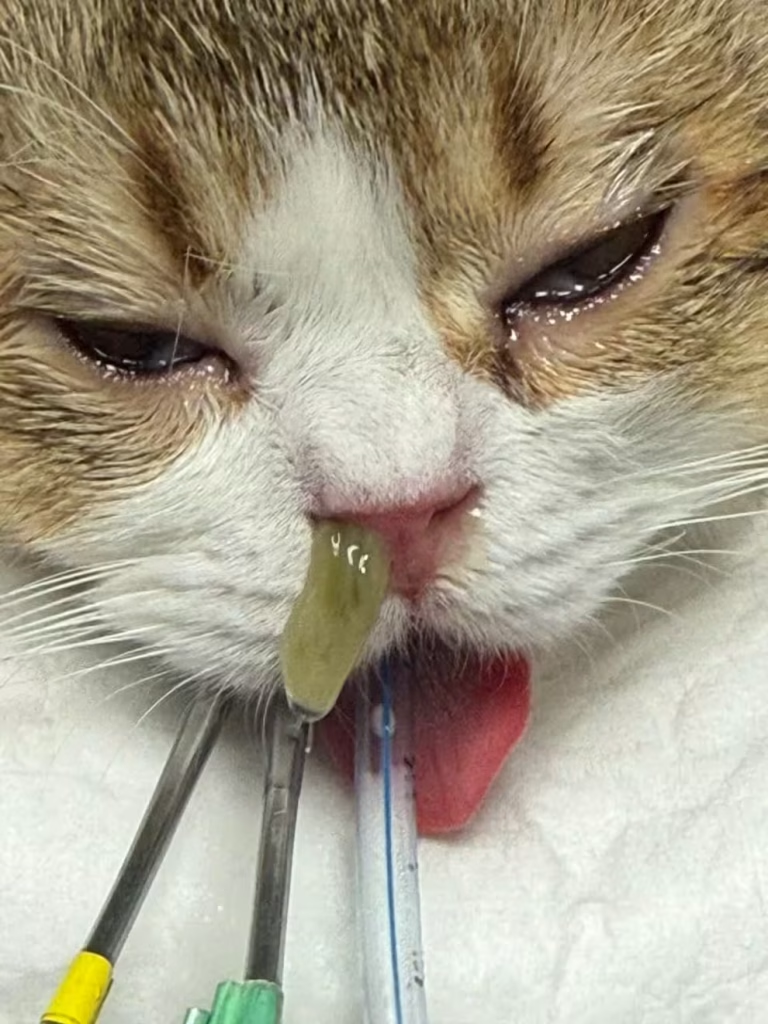
- Primary Signs: The most obvious signs are frequent sneezing and nasal discharge. This discharge may start as a clear fluid (serous) but can progress to a thick, yellow, or green mucus (mucopurulent) if a bacterial infection takes hold. You may also notice your cat pawing at its face or nose due to irritation.
- Breathing Patterns: Cats with severe congestion may exhibit open mouth breathing or labored inhalation. You might also witness “Reverse Sneezing”, a sudden, noisy, and forceful inhalation that sounds like a snort, which often happens when the back of the nasal passage is irritated.
- Facial Changes: In certain cases, especially with fungal infections like Cryptococcus, you may notice a “dorsal lump” or swelling on the bridge of the nose. This is a serious sign of structural inflammation or tissue growth.
- Ocular Involvement: Because the tear ducts and nasal passages are closely linked, nasal issues often come with conjunctivitis (redness of the eyes) and excessive tearing or discharge from the eyes.
How Do Veterinarians Diagnose Cat Nasal Disease?
Diagnosing the exact cause of nasal discharge and sneezing in cats can be a complex process. Because many different conditions share similar symptoms, veterinarians use a step-by-step diagnostic approach:
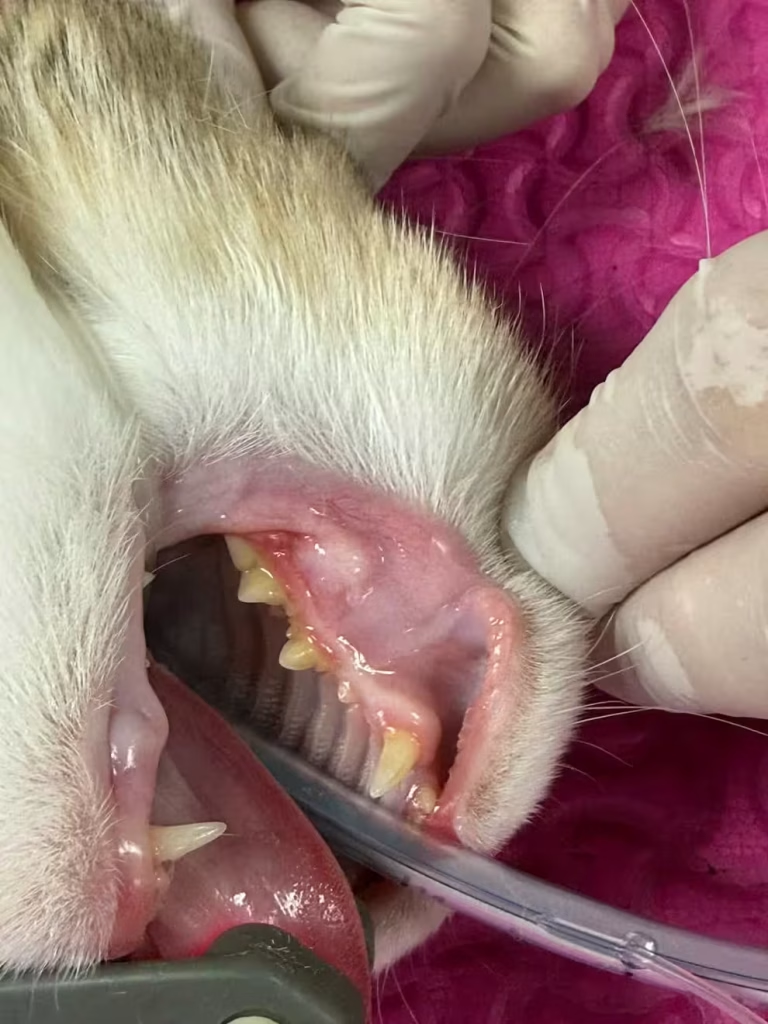
- Initial Diagnostic Tools: The process begins with a thorough physical examination and a review of the cat’s medical history. Beyond the basics, your vet may use X-rays or Computed Tomography (CT) to look for structural damage or fluid in the sinuses. Rhinoscopy (using a tiny camera to see inside the nose) and nasal biopsies are also common tools to identify tissue changes or tumors.
- The Challenge of Diagnosis: One of the most frustrating aspects for cat owners is that even with advanced testing, the underlying cause cannot always be confirmed. Chronic rhinosinusitis is often a diagnosis of exclusion, meaning other causes must be ruled out first
- Specific Tests for Fungal Infections: Since Cryptococcus is a common cause in cats, veterinarians often perform serum titers to check for Cryptococcal antigens in the blood. This is a critical step because fungal infections require a completely different treatment plan than viral or bacterial ones.
Effective Treatment Options for Cat Rhinosinusitis
Treatment for nasal inflammation depends entirely on the underlying cause and the severity of the symptoms. Your veterinarian may recommend a combination of the following: (Important Note: All medications, including Fluconazole and Itraconazole, must only be used under the strict supervision of a veterinarian to ensure safety and correct dosing)
- Supportive and Nutritional Care: In severe cases, especially for kittens or cats that lose their appetite due to a diminished sense of smell, intravenous (IV) fluids are essential to prevent dehydration. Nutritional support via a feeding tube may be necessary to maintain body weight and strength during the recovery phase.
- Antibiotic Therapy: While antibiotics do not kill viruses, they are frequently prescribed to manage secondary bacterial infections. These medications help reduce thick, yellow, or green nasal discharge and prevent the infection from spreading deeper into the respiratory system.
- Specific Antifungal Treatments: If a fungal infection like Cryptococcus is diagnosed, systemic antifungal therapy is required. Medications such as Fluconazole or Itraconazole are commonly administered orally (often at a dosage of 50–100 mg/day, PO). Unlike bacterial infections, fungal cases require months of consistent treatment.
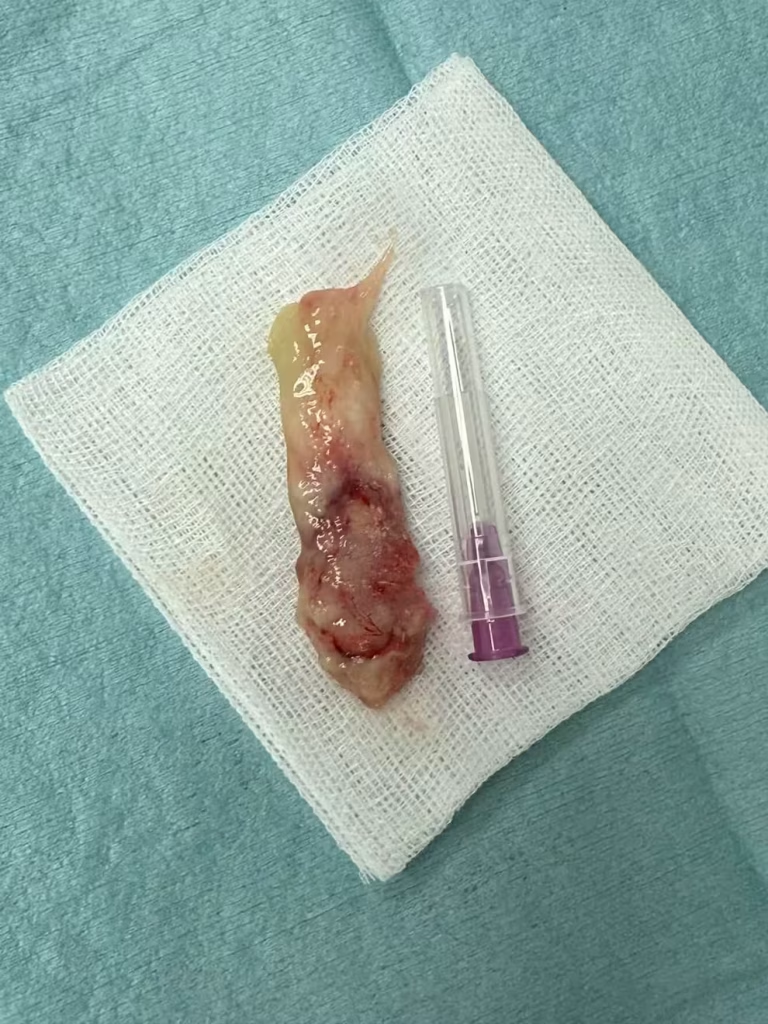
- Surgical and Advanced Options: For cats that do not respond to medication, surgery may be considered to remove damaged tissue or debris, though results can vary. If the cause is a tumor (neoplasia), radiation therapy is often the most viable and effective treatment option.
Managing Chronic Cases: Can My Cat Be Cured?
One of the most challenging aspects of cat rhinitis is dealing with the chronic form of the disease. According to the Merck Veterinary Manual, chronic rhinosinusitis is often a frustrating condition to manage, and permanent cures are rare.
In many cats, chronic inflammation follows a severe acute viral infection that has permanently damaged the delicate nasal membranes. While it may not always be possible to eliminate the symptoms entirely, the goal of treatment shifts to long-term management and improving the cat’s quality of life. This often involves periodic medical check-ups, environmental adjustments to reduce irritants, and sometimes lifelong supportive care. It is important for owners to have realistic expectations and work closely with their veterinarian to keep their cat comfortable.
Frequently Asked Questions About Cat Sinusitis
1. What is the most common cause of sudden sneezing in cats?
Sudden or acute sneezing in cats is most frequently caused by viral infections. The primary culprits are Feline Viral Rhinotracheitis (FVR) and Feline Calicivirus (FCV). These viruses are highly contagious and can lead to immediate inflammation of the nasal passages.
2. Can cat rhinitis lead to lung problems?
Yes. The nose acts as a vital filtration system for the respiratory tract. When rhinitis damages the nasal mucous membranes, this filtration function is lost. This exposes the lungs to much heavier loads of dust and microorganisms, which can lead to further complications.
3. What does clear vs. yellow nasal discharge mean?
Clear, watery discharge (serous) usually indicates a viral infection or an early stage of irritation. However, if the discharge becomes thick, yellow, or green (mucopurulent), it is a sign that a secondary bacterial infection has developed, requiring medical attention.
4. Is surgery a permanent fix for chronic rhinitis in cats?
While surgery can be recommended for cats that do not respond to medication (to remove damaged tissue or debris), the results are often disappointing. It is rarely a permanent fix for chronic cases, and long term medical management is usually preferred.
5. How do cats get fungal rhinitis?
Fungal rhinitis, most commonly caused by Cryptococcus neoformans in cats, is acquired through environmental exposure. Cats usually inhale the fungal spores from contaminated soil or dust, which then colonize the nasal cavity and sinuses.
Conclusion: Your Take-Home Message
Cat rhinitis and sinusitis are serious respiratory conditions that require a proactive and patient approach. The most important takeaway is that early intervention is key to preventing acute inflammation from becoming a lifelong chronic struggle. While chronic cases can be frustrating to manage, a combination of supportive care, environmental adjustments, and specific medical treatments can significantly improve your cat’s quality of life. Always consult your veterinarian at the first sign of nasal distress to ensure the best possible outcome for your companion.
References
- Clinical Image Credit: We would like to express our sincere gratitude to Dr. Wijit Sutthiprapa (DVM, MS, Dip. TBVS) for providing the clinical images used in this article. His contribution as a specialist in the field enhances the educational value of this guide for pet owners and veterinary students alike.
- Merck Veterinary Manual (Pet Owner Version): “Rhinitis and Sinusitis in Cats” by Ned F. Kuehn, DVM, MS, DACVIM.
- Merck Veterinary Manual (Professional Version): “Rhinitis and Sinusitis in Dogs and Cats” by Caroline C. Tonozzi, DVM, DACVECC.
Was this article helpful for you?