Mange in Cats: Symptoms, Diagnosis, and Complete Treatment
What you will read in this article
What is Mange in Cats? (Introduction to Feline Scabies)
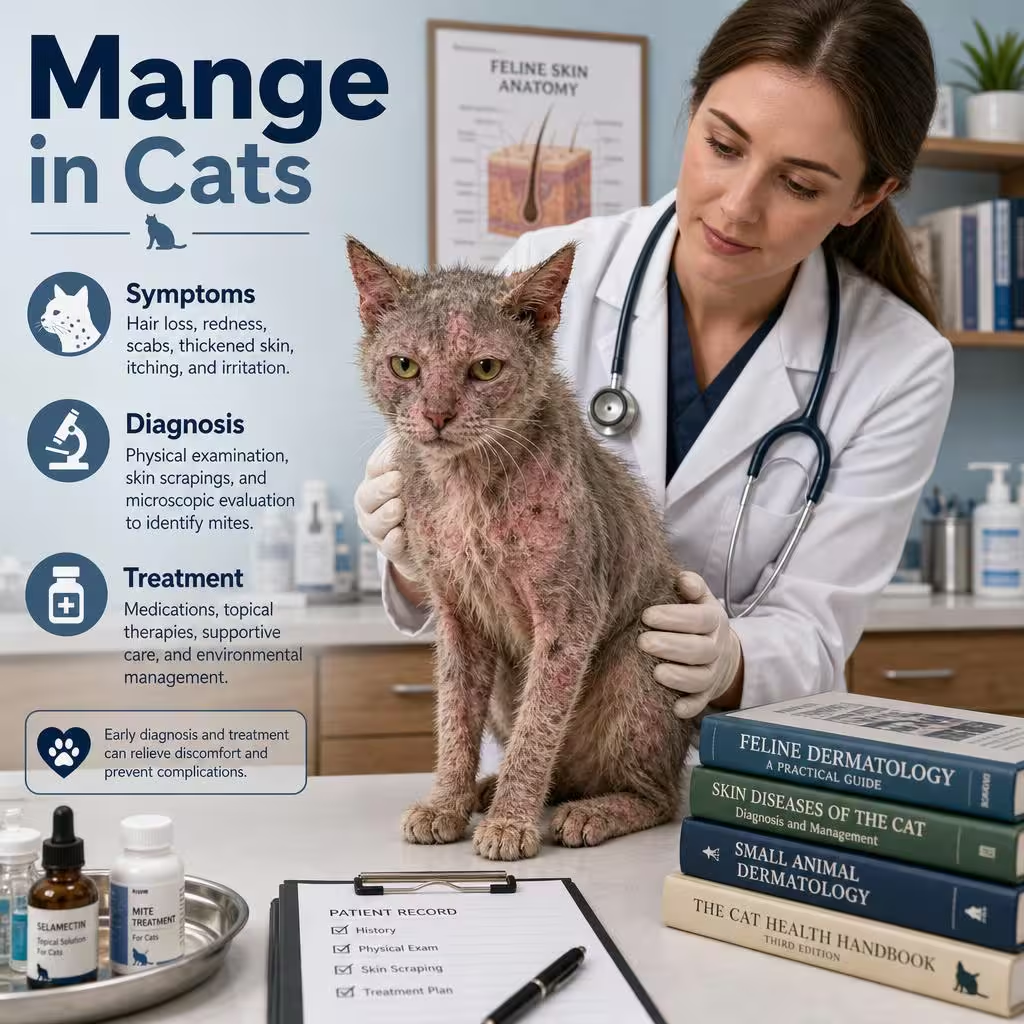
Mange in cats, also known as feline scabies or feline gale, is a skin disease caused by microscopic mites. These tiny parasites live on the skin surface or inside hair follicles, feeding on dead tissue or body fluids, which triggers a severe inflammatory response. The result is intense itching, hair loss, scaling, and skin sores. Unlike dogs where mange is very common, mange in cats is relatively rare – but it should never be underestimated.
Difference Between Mange in Cats and Dogs
Mange in dogs is primarily caused by the mite Sarcoptes scabiei var. canis, which is very common and highly contagious. In contrast, the most common type of mange specific to cats is caused by Notoedres cati, which produces similar symptoms but has clinical differences. The most important difference is that cats, unlike dogs, rarely display the pinnal-pedal reflex (kicking the hind leg when the ear is scratched). Additionally, skin lesions in cats tend to be more crusty and scaly, whereas in dogs papules (small bumps) are more prominent. Symptoms in cats are more variable, and itching may be completely absent in some cats, while intense itching is almost a constant sign of mange in dogs.
Can Mange in Cats Be Transmitted to Humans?
Yes, but under specific conditions. Notoedric mange (caused by Notoedres cati) and sarcoptic mange (caused by Sarcoptes scabiei) are both zoonotic diseases (transmissible between animals and humans). However, mites that infect cats typically cannot complete their life cycle on the human body. As a result, direct contact with an infested cat may cause temporary itching, redness, and small red bumps on your skin. These symptoms usually resolve spontaneouslywithin a few days to two weeks. People with weakened immune systems (children, elderly, chemotherapy patients) are at higher risk. To prevent transmission, isolate the infected cat until treatment is complete and wear gloves when handling medications.
Types of Mange in Cats
Mange in cats is caused by several different species of mites. Each type of mite has a different clinical pattern, level of contagiousness, and treatment approach. Some of these mites normally live on cat skin and only cause disease under specific conditions (such as immunodeficiency), while others are highly contagious and spread rapidly among cats and even humans. In this section, we introduce all six important types of mange in cats.
Notoedric Mange – True Feline Scabies
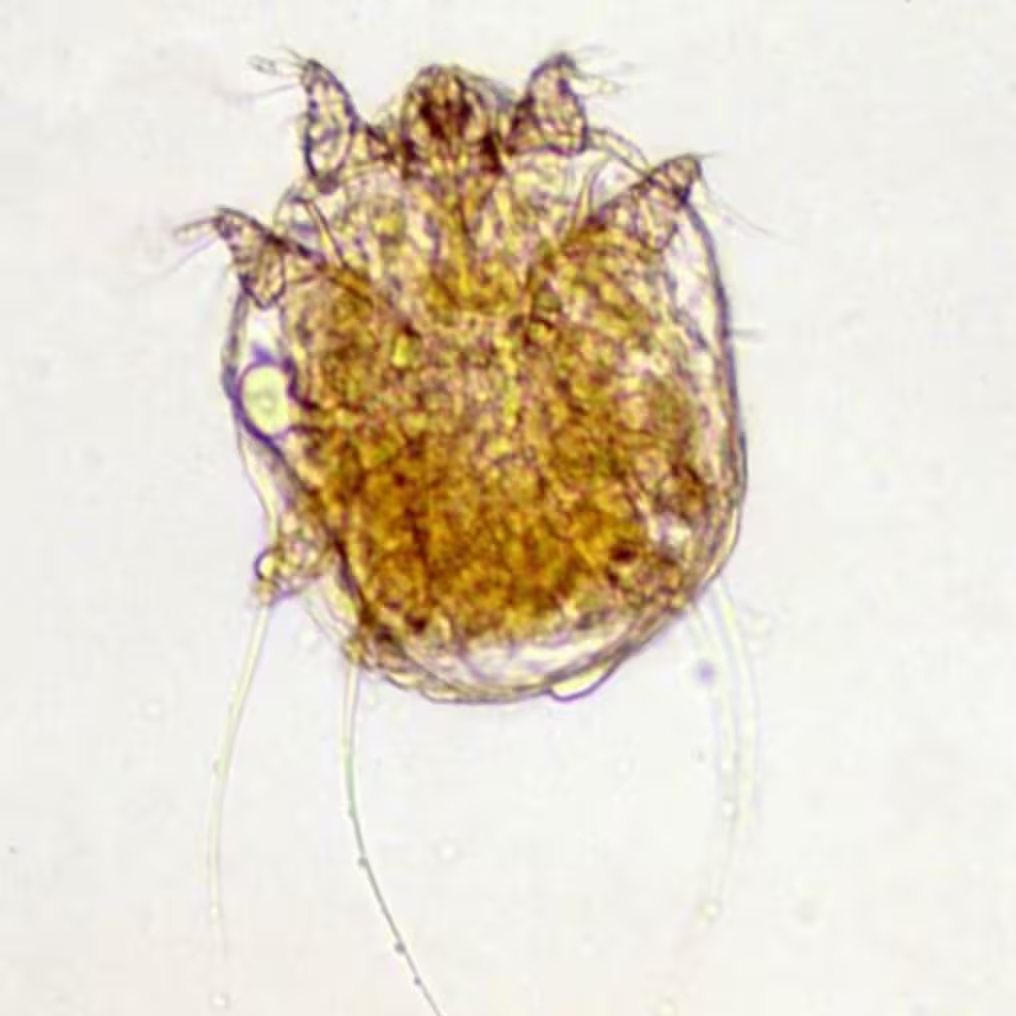
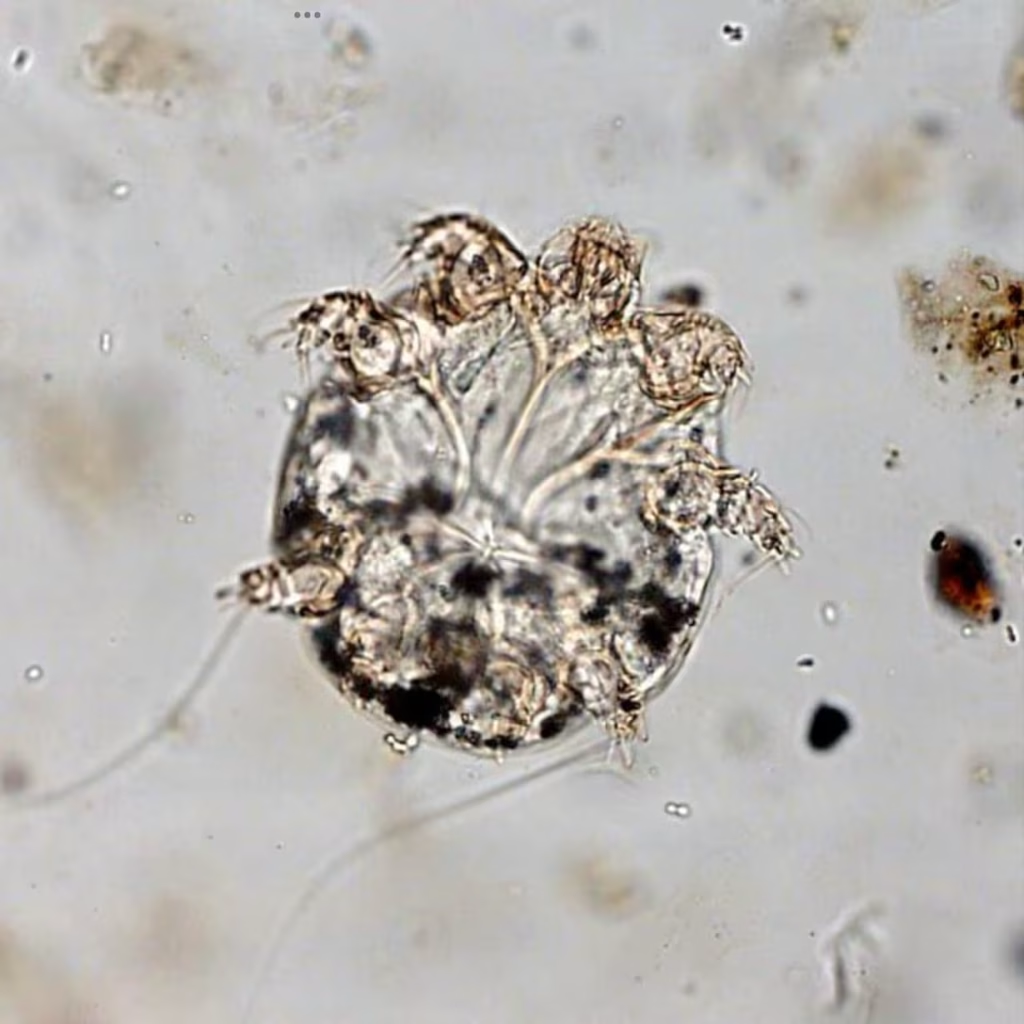
Notoedric mange, also called true feline scabies, is caused by the mite Notoedres cati. This disease is rare in northern temperate regions but more common in tropical and subtropical zones. The Notoedres mite is very similar in appearance and life cycle to the sarcoptic mange mite of dogs. Its life cycle takes about 21 days and is spent entirely on the host. This disease is highly contagious and transmitted through direct contact. Symptoms begin with intense itching, crusting, and hair loss on the ear pinnae, then spread to the head, neck, and if untreated, the entire body.
Sarcoptic Mange – Mange Shared with Dogs
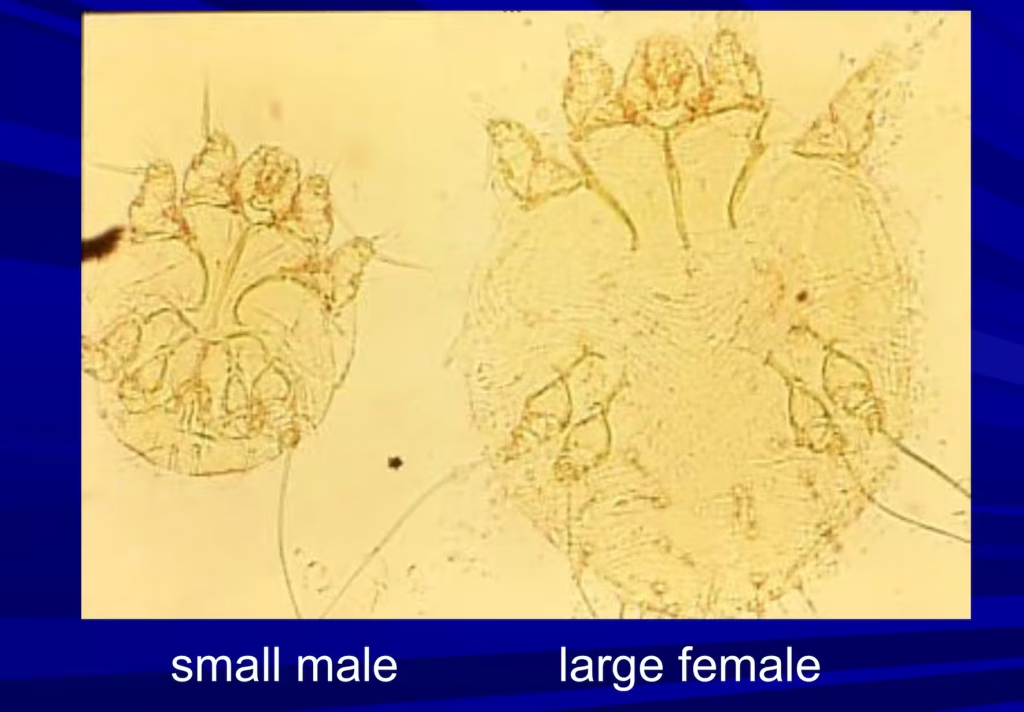
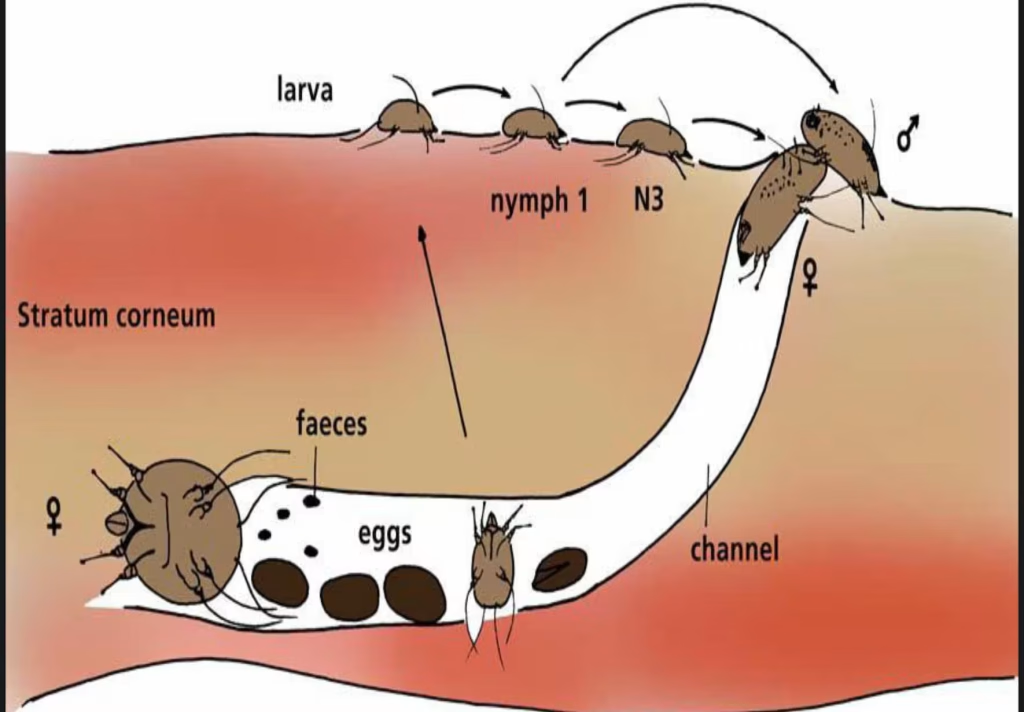
Sarcoptic mange in cats is caused by the mite Sarcoptes scabiei var. canis, the same agent that causes mange in dogs. This disease is very rare in cats and typically affects cats that have contact with infested dogs. The female mite burrows tunnels in the stratum corneum to lay eggs. The life cycle takes 17-21 days. Symptoms include intense itching, yellow crusts, redness, and hair loss. Unlike dogs, affected cats may not display the pinnal-pedal reflex, and lesions appear more as crusts and scales. This disease is zoonotic and can be transmitted to humans.
Feline Demodicosis – Feline Demodex Mange
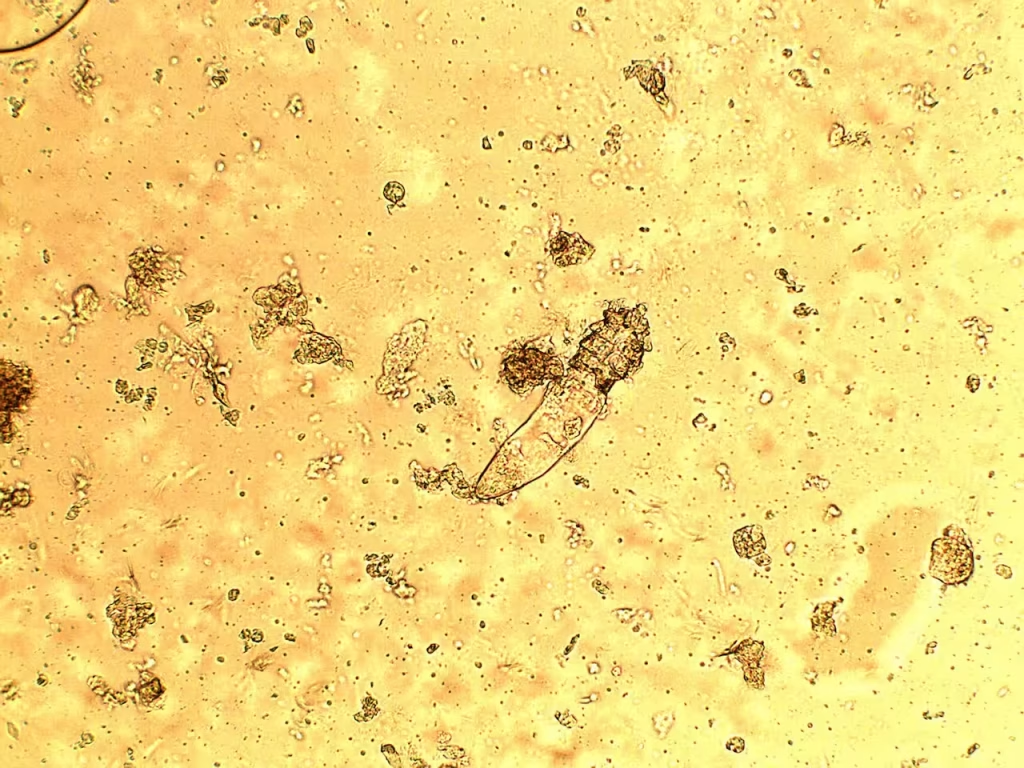
Feline demodicosis is caused by two different species of Demodex mites. Demodex cati is a normal resident of feline skin, living in hair follicles. This type is usually non-contagious and only becomes pathogenic when the immune system is compromised (such as with FeLV, FIV, diabetes, or cancer). Demodex gatoi is smaller and rounder, lives on the skin surface, and unlike the former, is contagious and causes more intense itching. Symptoms include localized hair loss (especially on the head and neck), scaling, and in severe cases, pustular lesions. Diagnosis is made through deep skin scrapings.
Otodectic Mange – The Most Common Type in Cats
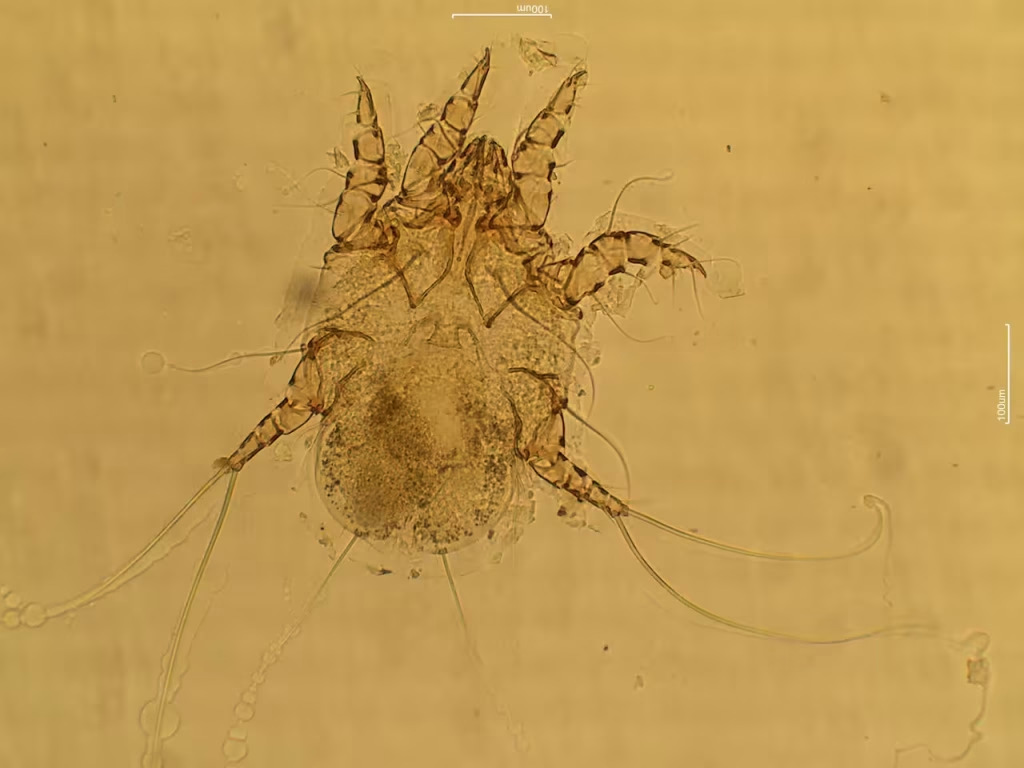
Ear mange, caused by the mite Otodectes cynotis, is the most common type of mange in cats. These mites primarily live in the external ear canal but are occasionally seen on the body. Symptoms include frequent head shaking, intense ear scratching, drooping ear, and accumulation of dark brown, dry cerumen (resembling coffee grounds) inside the ear. Itching can be very severe. In advanced cases, the eardrum may perforate and suppurative otitis externa may develop. This disease is highly contagious and spreads rapidly among cats. Treatment includes ear miticides, topical spot-on products (such as selamectin), and treating all in-contact animals simultaneously.
Chilitilidae – Cheyletiellosis – Walking Dandruff
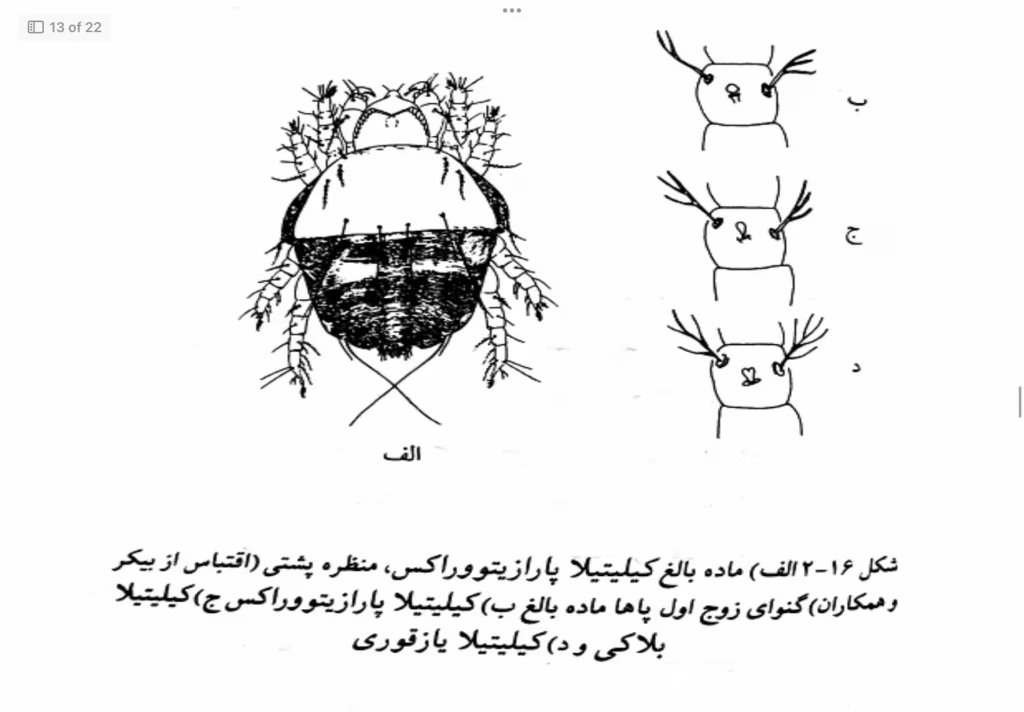
Cheyletiellosis, or walking dandruff, is caused by the mite Cheyletiella blakei. These mites live on the skin surface and have prominent hook-like mouthparts. The name “walking dandruff” comes from the fact that when mites move on the skin, the scales appear to be moving. This disease is highly contagious and common in shelters and multi-cat households. It is also transmissible to humans. Symptoms include severe scaling along the back, variable itching (from none to severe), and in some cats, miliary dermatitis (small bumps across the body). Diagnosis is made using acetate tape preparations, flea combs, or superficial skin scrapings.
Trombiculosis – Summer Mange (Chiggers)
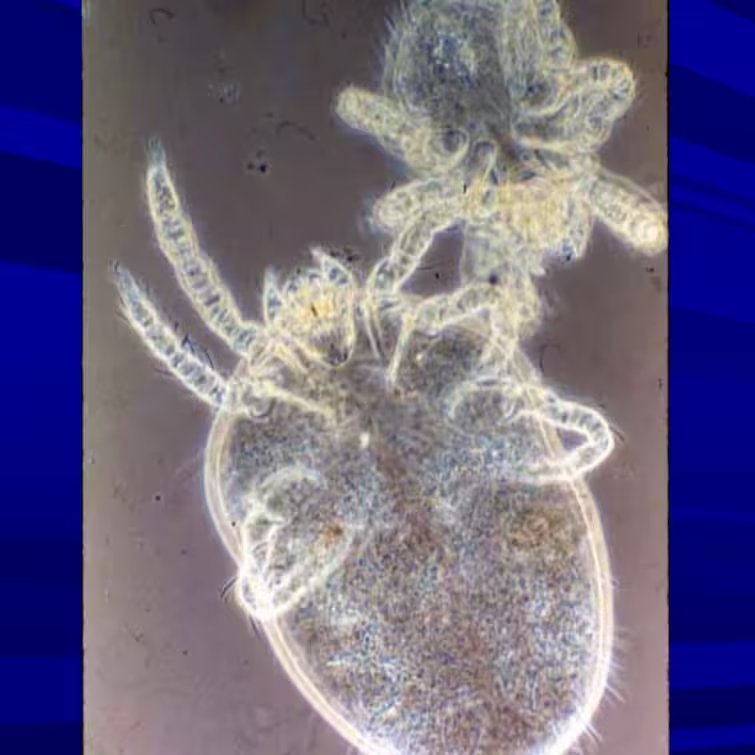
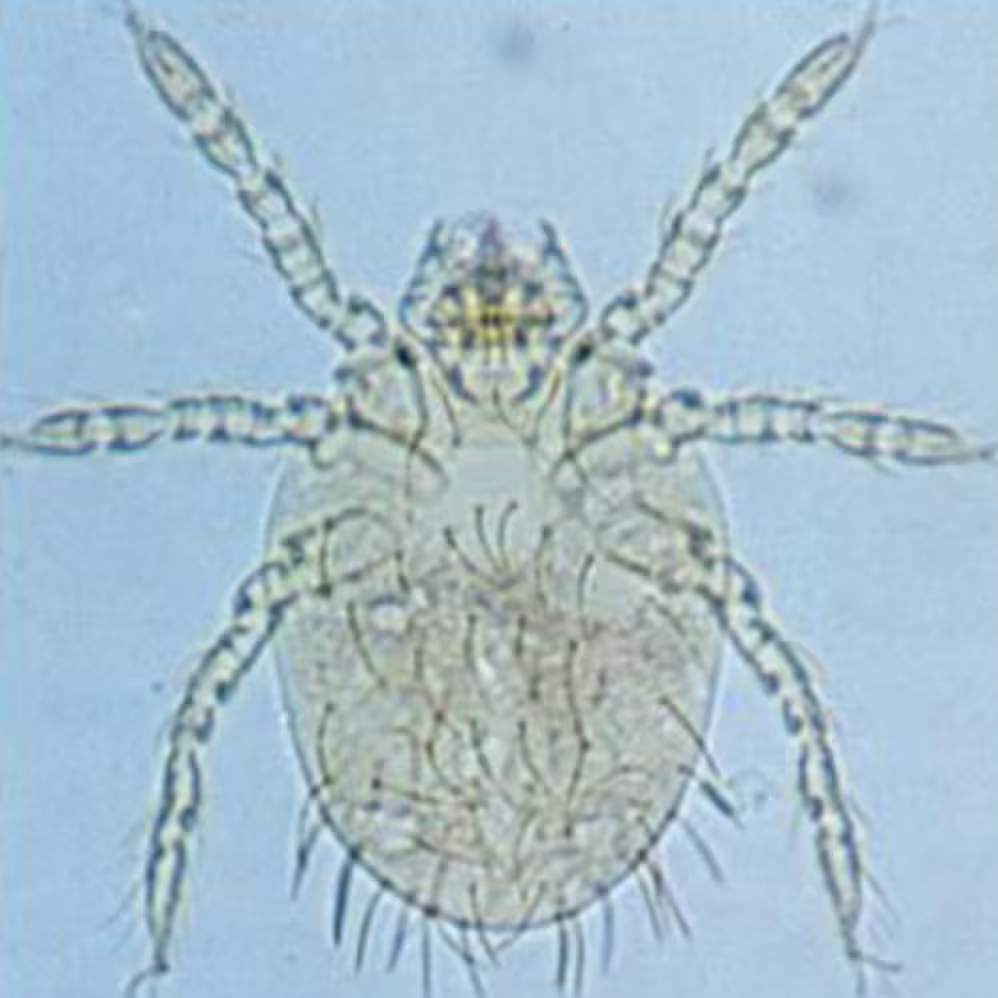
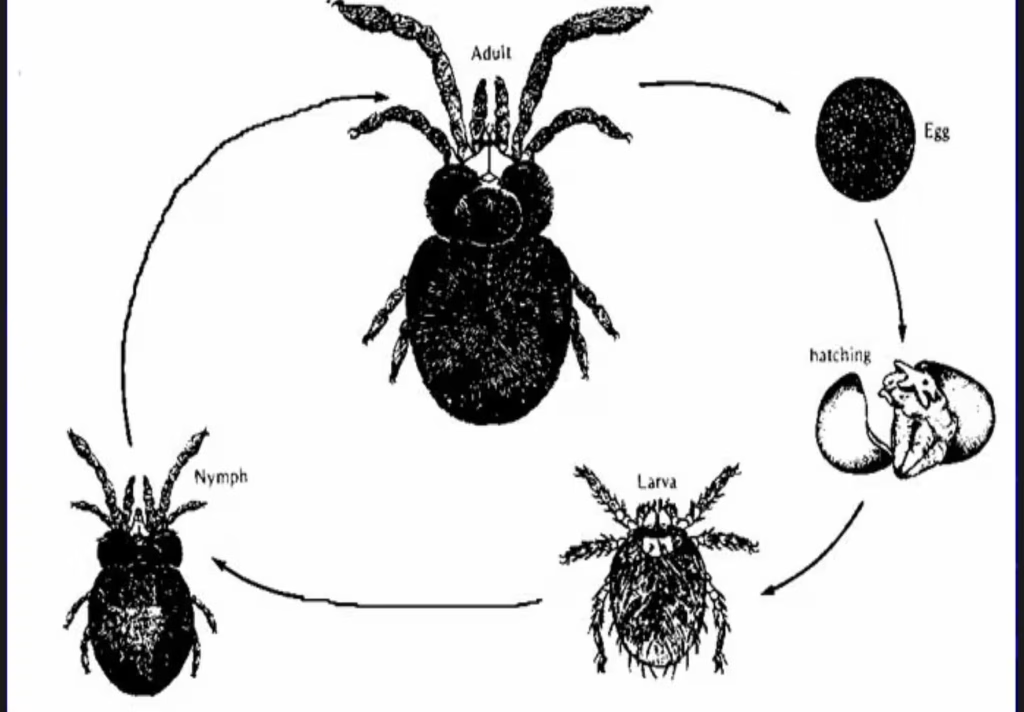
Trombiculosis, or summer mange, is caused by the larval stage of mites in the family Trombiculidae (known as chiggers). This disease is seasonal, occurring in summer and fall in cats that go outdoors. The larvae (0.25 mm long) attach to the skin, feed for a few days, and then drop off. While feeding, they appear as orange-red oval dots on the head, ears, feet, or belly. Symptoms include intense itching, redness, small bumps, and hair loss. Diagnosis is made by direct visualization of larvae on the skin or microscopic examination of superficial scrapings. Prevention is possible by keeping cats away from infested areas (grasslands and damp ground).
Symptoms of Mange in Cats (From Mild Itching to Severe Hair Loss)
Symptoms of mange in cats vary from mild to very severe, depending on the type of mite, duration of infestation, the cat’s immune status, and the area of the body involved. One diagnostic challenge is that some cats show very vague symptoms (e.g., only mild scaling or slight itching), while others develop unbearable itching and widespread skin lesions. For this reason, any change in the condition of the cat’s skin and coat should be taken seriously. Symptoms typically appear from a few days to one week after contact with an infested animal.
Early Symptoms: Itching, Scaling, and Restlessness
The first symptoms of mange in cats typically appear a few days to one week after exposure to the mites. The most important and common early sign is sudden, intense itching. The cat becomes restless, constantly scratching, licking, or biting itself. In some cases, itching is so severe that the cat even wakes up from sleep. Scaling (dandruff) and patchy hair loss (alopecia) are other early symptoms. The area initially involved depends on the type of mange: in notoedric mange, lesions begin on the ear pinnae, head, and neck; in demodectic mange, the head and neck are typically involved. The affected skin appears red and inflamed. The cat may show restlessness, decreased appetite, and unusual behaviors such as hiding or aggression.
Advanced Symptoms: Pustular Sores, Skin Thickening, and Weight Loss
Without timely diagnosis and treatment, mange symptoms in cats progress and become much more severe. Constant scratching leads to open sores, erosions, and thick yellow crusts on the skin. These sores serve as entry points for secondary bacterial and fungal infections, complicating the condition. The skin gradually becomes thickened and leathery (lichenification) and may become darker in color (hyperpigmentation). In severe notoedric mange, lesions spread from the head and neck to the entire body. The cat loses weight, experiences muscle wasting (cachexia), and may become lethargic and depressed. In very advanced cases, the cat may diedue to severe weakness and systemic infections.
Diagnosis of Mange in Cats
Diagnosis of mange in cats should never be based solely on clinical signs, because many other skin diseases (such as allergies, atopic dermatitis, fungal infections, and Malassezia) cause similar symptoms. The veterinarian uses a combination of physical examination, laboratory methods, and sometimes therapeutic trials to confirm the diagnosis. Important note: sometimes even with heavy infestation, mites are not seen in skin samples. In such cases, the veterinarian makes a final diagnosis based on history and response to treatment.
Clinical Examination by a Veterinarian
The first step in diagnosing mange is a complete physical examination by a veterinarian. The veterinarian looks for the pattern of skin lesions (location, type of lesion, symmetry or asymmetry), severity of itching, and the cat’s general condition. During the examination, the following areas are checked:
- Ear pinnae, head, and neck: most common areas involved in notoedric mange
- Ear canal: presence of dark brown discharge (sign of ear mange)
- Back and flanks: involvement in walking dandruff
- Between toes and armpits: involvement in sarcoptic mange
The veterinarian will also ask about the cat’s history of contact with other animals, access to the outdoors, and symptoms in other pets or family members.
Skin Scraping – The Gold Standard
Skin scraping is the gold standard for diagnosing mange in cats. In this method, the veterinarian uses a surgical blade or scalpel to gently scrape the skin surface to obtain a sample from the superficial layers and hair follicles. Depending on the suspected type of mange, two types of scraping are performed:
| Scraping Type | Depth | Application |
|---|---|---|
| Superficial scraping | Stratum corneum | Notoedric, sarcoptic, cheyletiellosis |
| Deep scraping | Inside hair follicles | Demodicosis (Demodex cati) |
The sample is placed on a slide, a few drops of mineral oil or 10% KOH solution are added, and it is examined under a microscope. Finding even one mite, egg, or mite feces is sufficient to confirm the diagnosis.
Tape Test and Flea Combing Methods
Not all types of mange are diagnosed with skin scraping. For some mites that live on the skin surface or are difficult to find, alternative methods exist:
Acetate Tape Preparation:
- A piece of clear adhesive tape is pressed onto the skin surface (usually the back and flanks).
- The tape is removed and placed directly on a microscope slide.
- This method is very useful for diagnosing walking dandruff (Cheyletiella) and superficial demodicosis (Demodex gatoi) .
Flea Combing:
- A fine-toothed flea comb is run through the cat’s entire coat.
- Material collected on the comb is placed on a slide and examined under a microscope.
- This method is useful for diagnosing walking dandruff and ear mites (if mites have migrated from the ears).
Fecal Flotation – in specific cases:
In sarcoptic mange, cats may swallow mites and pass them in feces. In such cases, fecal examination can confirm the diagnosis.
Differential Diagnosis (Distinguishing from Allergies and Similar Diseases)
Many feline skin diseases produce symptoms similar to mange. Therefore, the veterinarian must perform a differential diagnosis to ensure appropriate treatment. Diseases that must be distinguished from mange include:
| Disease | Symptoms Similar to Mange | Differentiation Method |
|---|---|---|
| Atopic dermatitis (allergy) | Itching, hair loss, redness | No mites on skin scraping, response to antihistamines |
| Food allergy | Chronic itching, skin lesions | Elimination diet and challenge, no response to antiparasitics |
| Miliary dermatitis | Small bumps across the body | Can be caused by mange or allergy – requires skin scraping |
| Malassezia infection (fungal) | Scaling, itching, odor | Staining and fungal culture, response to antifungals |
| Dermatophytosis (ringworm) | Patchy hair loss, scaling | Wood’s lamp, fungal culture |
| Pyoderma (bacterial infection) | Pustular sores, crusts | Bacterial culture, response to antibiotics |
Final diagnosis sometimes requires a therapeutic trial: If all diagnostic methods yield negative results but symptoms strongly suggest mange, the veterinarian may start an therapeutic trial of anti-mange medication. If the cat improves within 2-4 weeks, the diagnosis of mange is confirmed.
Definitive Treatment of Mange in Cats (Latest Protocols 2024-2026)
Treatment of mange in cats has become much simpler, shorter, and more effective compared to the past. Today, modern medications are available that eliminate mites completely with one or two doses. Drug selection depends on the type of mange, cat’s age, health status, pregnancy or lactation, and potential sensitivities. Most importantly: all in-contact cats must be treated simultaneously, even if they show no symptoms. Additionally, the living environment (bedding, toys, supplies) must be disinfected. The prognosis for mange in cats with appropriate treatment is excellent.
Oral and Injectable Medications
Oral and injectable medications for treating mange in cats are chosen when the cat does not respond to topical medications, has widespread skin lesions, or when spot-on products cannot be used (e.g., feral or uncooperative cats). These medications must be administered under direct veterinary supervision, as some can be toxic in certain breeds (such as ivermectin-sensitive breeds) or at high doses.
Ivermectin – Dosage and Precautions
Ivermectin is one of the oldest and most effective antiparasitic drugs, still used for treating mange in cats.
| Feature | Details |
|---|---|
| Therapeutic dose for mange | 200-300 mcg/kg body weight |
| Route of administration | Subcutaneous injection (SC) |
| Frequency | Every 7-14 days for 3-4 weeks (typically 2-4 injections) |
| Dose source | MSD Manual 2025; VIN 2025; PMC 2024 |
Major precautions:
- Contraindicated in sensitive breeds: Some breeds (e.g., Birman, Somali, and breeds with MDR1 gene mutation) are highly sensitive to ivermectin – even low doses can be fatal.
- Use with extreme caution in kittens under 8 weeks.
- In pregnant and lactating cats only when absolutely necessary.
- Signs of toxicity: depression, lethargy, tremors, ataxia, dilated pupils, coma.
Milbemycin Oxime
Milbemycin oxime is an oral medication from the macrocyclic lactone family used for treating mange in cats. Although primarily known for heartworm prevention and intestinal worm control, at higher doses it is also effective against mange mites.
| Feature | Details |
|---|---|
| Therapeutic dose for mange | 1.5-2 mg/kg body weight |
| Route of administration | Oral (chewable tablet) |
| Frequency | Every 7 days for 3-4 weeks |
| Dose source | MSD Manual 2025 |
Advantages over ivermectin:
- Higher safety margin in sensitive breeds (lower toxicity risk)
- Oral administration (no injection stress)
- Simultaneously controls intestinal worms and heartworm
Precautions: Do not use in kittens under 4 weeks. Side effects are rare but may include lethargy, vomiting, and diarrhea.
Topical Medications and Spot-on Products
Topical medications or spot-on products are now the most common, simplest, and least stressfulmethod for treating mange in cats. One or two drops of medication are applied to the skin on the back of the neck (where the cat cannot lick it off). The medication is absorbed through the skin and distributed throughout the body via sebaceous glands. This method is excellent for fearful cats, senior cats, and kittens.
Selamectin (Revolution)
Selamectin, marketed as Revolution, is one of the most widely used and effective topical medications for treating mange in cats.
| Feature | Details |
|---|---|
| Therapeutic dose | 6-12 mg/kg body weight (1 pipette for an average cat) |
| Route of administration | Spot-on (back of the neck) |
| Frequency | Every 14 days, 2 applications (3 in severe cases) |
| Dose source | MSD Manual 2025; VIN 2025 |
Advantages:
- Safe for kittens (from 8 weeks of age)
- Safe for ivermectin-sensitive breeds
- Simultaneously controls fleas, lice, ear mites, and some intestinal worms
- Provides heartworm prevention
Note from VIN 2025: Although selamectin does not have official FDA approval for notoedric mange, numerous studies have confirmed its high efficacy.
Moxidectin + Imidacloprid (Advantage Multi)
The combination of moxidectin and imidacloprid, marketed as Advantage Multi, is another effective topical medication for treating mange in cats.
| Feature | Details |
|---|---|
| Therapeutic dose (moxidectin) | 1 mg/kg body weight |
| Route of administration | Spot-on (back of the neck) |
| Frequency | Every 14 days, 2-3 applications |
| Dose source | MSD Manual 2025 |
Advantages:
- Effective against notoedric, sarcoptic, and ear mange
- Controls fleas, lice, and some intestinal worms
- Provides heartworm prevention
Note: Imidacloprid in this combination provides rapid insecticidal action, while moxidectin provides long-lasting miticidal effects.
Fluralaner (Bravecto) – New Generation, Highly Effective
Fluralaner, marketed as Bravecto, belongs to the isoxazoline class – the newest generation of antiparasitic drugs that has revolutionized mange treatment.
| Feature | Details |
|---|---|
| Therapeutic dose | 40-93 mg/kg body weight (1 pipette for cats) |
| Route of administration | Spot-on (back of the neck) |
| Frequency | Single dose providing 12 weeks of protection |
| Approval | Approved for cats in Europe and the US |
| Source | VIN 2025 |
Amazing advantages:
- One single application is sufficient for complete treatment of most types of mange
- 12 weeks of long-lasting protection against mites
- High safety margin in sensitive cats
- No need for repeat dosing (reduces cat stress and visit costs)
Note from VIN 2025: Although fluralaner does not have official approval for notoedric mange (due to the rarity of the disease, companies are unwilling to pursue expensive approval), clinical studies have demonstrated exceptional efficacy. Many veterinary dermatologists now recommend fluralaner as the first-line treatment for mange in cats.
Sarolaner (Revolution Plus)
Sarolaner, combined with selamectin, is marketed as Revolution Plus. This product combines the power of two generations of drugs in one.
| Feature | Details |
|---|---|
| Therapeutic dose | According to pipette specific to cat’s weight |
| Route of administration | Spot-on (back of the neck) |
| Frequency | One monthly dose (every 30 days) |
| Source | VIN 2025 |
Advantages:
- Combination of selamectin (macrocyclic lactone) + sarolaner (isoxazoline)
- Complete coverage: fleas, ticks, mange, lice, heartworm, and intestinal worms
- Exceptional efficacy against all types of mange
- Safe for kittens (from 8 weeks of age)
Note: Revolution Plus requires monthly administration compared to Bravecto, but covers a broader spectrum of parasites. The choice between these two depends on your cat’s specific needs.
Supportive Treatments
Antiparasitic treatment alone is not sufficient for complete recovery. Supportive treatments play a vital role in accelerating healing, reducing itching, and preventing secondary infections. These treatments should be administered simultaneously with anti-mange medications.
Lime Sulfur Dip
Lime sulfur dip is one of the oldest treatments for mange and is still used in specific cases, especially for very young kittens that cannot receive strong chemical medications.
| Feature | Details |
|---|---|
| Concentration | 2-5% (diluted solution) |
| Method | Full body immersion in solution (after regular bath) |
| Frequency | Every 7 days for 4-6 weeks |
| Source | MSD Manual 2025; Merck 2023 |
Advantages:
- Very safe for kittens and pregnant cats
- Effective against all types of mange
- Inexpensive
Disadvantages:
- Very unpleasant odor (like rotten eggs)
- Stains and yellows the fur
- Cats typically hate it
- Requires frequent repetition (high stress for the cat)
Recommendation: Today, due to the availability of modern, more convenient medications (spot-on products), lime sulfur dip is only used in specific cases (such as lack of access to new drugs or very young kittens).
Antibiotics for Secondary Infections
Constant scratching by infested cats creates open wounds that serve as entry points for bacteria. The most common secondary infections are superficial pyoderma (caused by Staphylococcus and Streptococcus) and Malassezia infection (fungal). In such cases, the veterinarian prescribes appropriate antibiotics based on culture and sensitivity testing (or empirically).
| Common Antibiotic | Approximate Dose | Duration |
|---|---|---|
| Amoxicillin-clavulanate | 12.5-25 mg/kg every 12 hours | 7-14 days |
| Cephalexin | 15-30 mg/kg every 12 hours | 7-14 days |
Important note: Antibiotics do not kill mites – they only treat secondary bacterial infections. The primary mange treatment remains anti-mite medications.
Antipruritics and Corticosteroids
Severe itching from mange can be so unbearable that cats cause serious self-trauma. In such cases, the veterinarian may prescribe antipruritic and anti-inflammatory medications.
Corticosteroids (e.g., prednisolone):
- Dose: 1-2 mg/kg every 24 hours (oral)
- Duration: Short-term (3-7 days)
- Caution: Long-term use is prohibited (serious side effects)
Antihistamines:
- Milder effect but safer
- Options: Chlorpheniramine, Cyproheptadine
- Always use under veterinary supervision
Very important note: Corticosteroids suppress the immune system. If the cat has an uncontrolled secondary bacterial infection, steroid use can severely worsen the condition. Never use steroids without veterinary prescription.
Prevention of Mange in Cats (What Should You Do?)
Prevention of mange in cats is completely possible and is much easier, cheaper, and less stressful than treatment. If your cat has been diagnosed with mange, or you live in an area where mange is prevalent, or your cat goes outdoors, following prevention principles is critical. The most important principle: Mange is a highly contagious disease – one moment of negligence can affect all cats in the household.
Isolating the Infected Cat
As soon as you observe symptoms of mange in your cat, the first and most important step is isolating the cat from other household animals.
How to Isolate?
| Action | Explanation |
|---|---|
| Separate room | Place the cat in a closed room without access to other animals |
| Dedicated supplies | Food/water bowls, bedding, litter box, and toys only for the infected cat |
| No direct contact | No other animal (cat, dog, rabbit) should contact the infected cat |
| Isolation duration | At least until end of treatment and veterinary confirmation (typically 4-6 weeks) |
| Source | Merck 2023; PMC 2024 |
Important note from PMC 2024: In the study of three cats with sarcoptic mange in Poland, none of the cat owners showed signs of mange, but isolating the cats was still recommended to prevent transmission to other animals.
Isolation from humans: Although cat mange typically does not complete its life cycle in humans, people with weakened immune systems (children, elderly, chemotherapy patients) should avoid direct contact with the infected cat. If necessary, wear gloves and wash hands thoroughly after contact.
Disinfecting the Living Environment (Bedding, Toys, and Supplies)
Mites that cause mange can survive for short periods (a few days up to 10 days) in the environment outside the cat’s body. Therefore, complete environmental disinfection is essential to prevent reinfestation.
What Needs to Be Disinfected?
| Item | Disinfection Method | Explanation |
|---|---|---|
| Bedding and blankets | Wash with hot water (above 60°C / 140°F) + detergent | Once weekly until end of treatment |
| Soft toys | Wash or discard | Mites can hide in fabric |
| Plastic/hard toys | Wash with soap and water + dilute bleach solution (1:32) | Rinse thoroughly after washing |
| Food and water bowls | Daily wash with hot water and soap | After each use |
| Litter box | Complete litter change, wash box with hot water and bleach | Once weekly |
| Floors and hard surfaces | Vacuum and wash with disinfectant | Especially if the cat goes outdoors |
| Source | Merck 2023; MSD Manual 2025 |
Duration of disinfection: Continue these measures for 2 weeks after treatment ends to prevent disease recurrence.
Note: Mange mites are sensitive to heat. If you can clean cat items with steam, it is very effective.
Simultaneous Treatment of All In-Contact Cats
This is one of the most important and most common mistakes cat owners make: treating only the cat that shows symptoms.
Reality: Many cats are asymptomatic carriers of mange without showing any signs. If you treat only the symptomatic cat, asymptomatic carrier cats will reinfect them, and the cycle continues.
Golden Rule: All cats that have been in contact with the infected cat should be treated simultaneously, even if they:
- Show no symptoms
- Appear completely healthy
- Had only brief contact
Which Animals Should Be Treated?
| Animal | Should Be Treated? | Explanation |
|---|---|---|
| All cats in household | Yes, absolutely | Even without symptoms |
| Dogs in household | Yes | Sarcoptic mange can also infect dogs |
| Rabbits in household | Yes | Some mites can transmit to rabbits |
| Humans in household | No | Symptomatic treatment if signs appear (consult a physician) |
Note from VIN 2025: “When one cat in a household is diagnosed with notoedric mange, all cats in that household require treatment.”
Monthly Use of Antiparasitic Spot-on Products
The best way to prevent mange in cats that go outdoors is regular monthly use of topical antiparasitic spot-on products.
Recommended Products for Monthly Prevention:
| Product | Administration | Frequency | Additional Coverage |
|---|---|---|---|
| Selamectin (Revolution) | Spot-on | Every 30 days | Fleas, lice, ear mites, heartworm |
| Revolution Plus | Spot-on | Every 30 days | Fleas, ticks, mange, heartworm, intestinal worms |
| Bravecto (Fluralaner) | Spot-on | Every 12 weeks (3 months) | Fleas, ticks, mange (long-lasting) |
| Advantage Multi | Spot-on | Every 30 days | Fleas, heartworm, intestinal worms, some mange |
Which Cats Need Prevention?
| Cat Status | Need for Monthly Prevention |
|---|---|
| Strictly indoor cats (no contact with other animals) | Less necessary, but not harmful |
| Cats with balcony or small yard access | Recommended |
| Cats that go outdoors | Mandatory |
| Multi-cat households where one cat goes outdoors | All cats should receive prevention |
| Cats living with outdoor dogs | Recommended |
Important note: Even if your cat is always indoors, risk still exists. You can bring mites into your home on your shoes or clothing and transmit them to your cat. Therefore, in areas with high mange prevalence, monthly prevention is recommended even for completely indoor cats.
Prognosis and Complications (Will My Cat Recover?)
The prognosis for mange in cats with timely diagnosis and treatment is very good to excellent. Most cats recover completely within 2 to 4 weeks with appropriate treatment. However, if the disease is advanced and treatment is delayed, irreversible complications may remain. Important note: Even after complete recovery, your cat will not have lifelong immunity and may become reinfected, so monthly prevention is essential.
Excellent Prognosis with Timely Treatment
If your cat’s mange is diagnosed early and appropriate treatment is started immediately, the prognosis is excellent.
Prognosis Table by Mange Type and Timeliness of Treatment:
| Mange Type | Timely Treatment | Delayed Treatment |
|---|---|---|
| Notoedric | Complete recovery in 2-4 weeks | Longer recovery (4-8 weeks), possible scarring |
| Sarcoptic | Complete recovery in 3-6 weeks | Prolonged recovery, risk of transmission to humans and other animals |
| Demodectic (D. cati) | Depends on underlying disease treatment | Good prognosis if underlying disease is controlled |
| Demodectic (D. gatoi) | Complete recovery in 4-8 weeks | Similar to timely treatment but longer |
| Ear mites | Complete recovery in 2-4 weeks | Risk of eardrum rupture and chronic otitis |
| Walking dandruff | Complete recovery in 4-8 weeks | Similar to timely treatment but longer |
| Trombiculosis | Self-limiting (after larvae detach) | Usually without complication |
| Source | MSD Manual 2025; VIN 2025 |
Signs of Recovery:
- Gradual decrease in itching (within first 3-7 days of treatment)
- Stopping of new lesion development (within 7-10 days)
- Wound healing and hair regrowth (within 2-4 weeks)
- Normalization of skin condition (within 4-8 weeks)
Post-Treatment Follow-up: The veterinarian should confirm the absence of mites with skin scraping at 2 and 4 weeks after treatment ends. Only then is your cat considered fully cured.
Possible Complications (Secondary Infections and Deep Wounds)
If mange in cats is not diagnosed or treatment is delayed, serious and sometimes irreversible complications can develop. These complications may persist even after mange treatment.
1. Secondary Bacterial Infections (Pyoderma):
Constant scratching creates open wounds that serve as entry points for bacteria such as Staphylococcus and Streptococcus.
| Sign of Secondary Infection | Possible Complication |
|---|---|
| Yellow or green pus on wounds | Superficial or deep pyoderma |
| Foul odor from skin | Advanced infection |
| Fever and lethargy | Septicemia (blood infection) – rare but dangerous |
| Treatment | Systemic antibiotics (7-14 days) |
2. Deep Wounds and Skin Erosions (Erosions and Ulcerations):
In severe cases, constant scratching can damage deeper skin layers.
| Complication | Explanation |
|---|---|
| Erosion | Loss of superficial skin layer (severe redness and inflammation) |
| Ulceration | Damage to deeper skin layers (bleeding, severe pain) |
| Miliary dermatitis | Small red bumps across the entire body |
| Source | MSD Manual 2025; Merck 2023 |
3. Skin Thickening and Darkening (Lichenification and Hyperpigmentation):
In chronic, untreated mange (usually after weeks or months), the skin gradually becomes thickened and leathery (lichenification) and darker (hyperpigmentation). These changes are often permanent and persist even after mange treatment.
4. Weight Loss and Muscle Wasting (Cachexia):
Severe, chronic itching causes insomnia, chronic stress, and decreased appetite. The cat loses weight, experiences muscle wasting, and in very advanced cases, may die due to severe weakness and systemic infections.
| Complication | Prevalence in Untreated Cases | Reversibility |
|---|---|---|
| Secondary bacterial infection | Very common (>50%) | ✅ Reversible with antibiotics |
| Deep wounds | Common (30-50%) | ✅ Reversible with appropriate treatment |
| Skin thickening and darkening | Fairly common (20-30%) | ❌ Often permanent |
| Weight loss and muscle wasting | In advanced cases (10-20%) | ✅ Reversible with proper nutrition |
| Source | MSD Manual 2025; PMC 2024 |
5. Specific Complications by Mange Type:
| Mange Type | Specific Complication |
|---|---|
| Ear mites | Eardrum rupture, chronic suppurative otitis externa, permanent deafness |
| Notoedric mange | Spread to entire body, permanent scarring on face |
| Sarcoptic mange | Transmission to humans and other animals, chronic severe itching |
| Demodicosis | May be treatment-resistant if underlying immunodeficiency exists |
| Source | MSD Manual 2025; Merck 2023 |
6. Complications in Kittens:
Kittens are more susceptible to severe complications due to their immature immune system:
- Anemia (in severe infestation)
- Growth retardation
- Death in very advanced, untreated cases (rare but possible)
Conclusion
Mange in cats is a skin disease caused by microscopic mites that, if not diagnosed in time, can become a nightmare for your cat and your family. But the good news is that mange is completely preventable and treatable. With the knowledge you have gained in this article, you now know how to identify symptoms, when to see a veterinarian, and how to protect your cat from these bothersome parasites.
References
This article is translated from the website veterinary24.ir.
| Source Name | Source Type | Year | Scientific Credibility | Role in This Article |
|---|---|---|---|---|
| PMC (Szczepanik et al.) | Research Article (Case Series) | 2024 | ⭐⭐⭐⭐⭐ (Highest) | Primary source for sarcoptic mange in cats and its treatment |
| Merck Veterinary Manual | Veterinary Reference Book (Pet Owner Version) | 2018 / rev 2026 | ⭐⭐⭐⭐⭐ | Primary source for general information and cat owner education |
| MSD Veterinary Manual | Veterinary Reference Book (Professional Version) | 2023 / rev 2025 | ⭐⭐⭐⭐⭐ | Primary source for drug dosages and specialized clinical details |
| VIN (Veterinary Partner) | Online Clinical Resource (Peer-reviewed) | 2025 | ⭐⭐⭐⭐ | Primary source for new-generation drugs (Fluralaner, Sarolaner) |
| Veterinary Partner (other) | General Educational Resource | 2025 | ⭐⭐⭐ | Supplemental information |
Images:
- Dr. Nosrallah Vahedi. Arthropods Handbook – Islamic Azad University of Babol.
- Dr. Ali Naser. Arthropods Handbook – Islamic Azad University of Babol.
Disclaimer
All content provided in this article is for educational and informational purposes only and is not a substitute for professional veterinary examination, diagnosis, or treatment. Feline skin and parasitic diseases are complex conditions. An accurate diagnosis and appropriate treatment protocol can only be determined by a licensed veterinarian based on clinical examination, diagnostic tests (including skin scraping, microscopic evaluation, etc.), and assessment of the animal’s overall health.
Any action taken based on the information in this article – without direct consultation with a veterinarian – is solely at the cat owner’s own risk. The author, compiler, and Vetomid website assume no responsibility or liability for any consequences resulting from self-medication, delayed veterinary care, incorrect use of medications (including incorrect dosages of drugs such as ivermectin in sensitive breeds), or misdiagnosis.
All drug dosages mentioned in this article are compiled from reputable scientific sources and university handbooks for informational purposes only. The final prescription, choice of treatment, and determination of appropriate dosage remain the exclusive responsibility of the attending veterinarian.
If your cat shows any signs of illness, please consult a veterinarian as soon as possible.
Was this article helpful for you?
