The Ultimate Guide to Abyssinian Cats: History, Behavioral Traits, and Clinical Health Overview

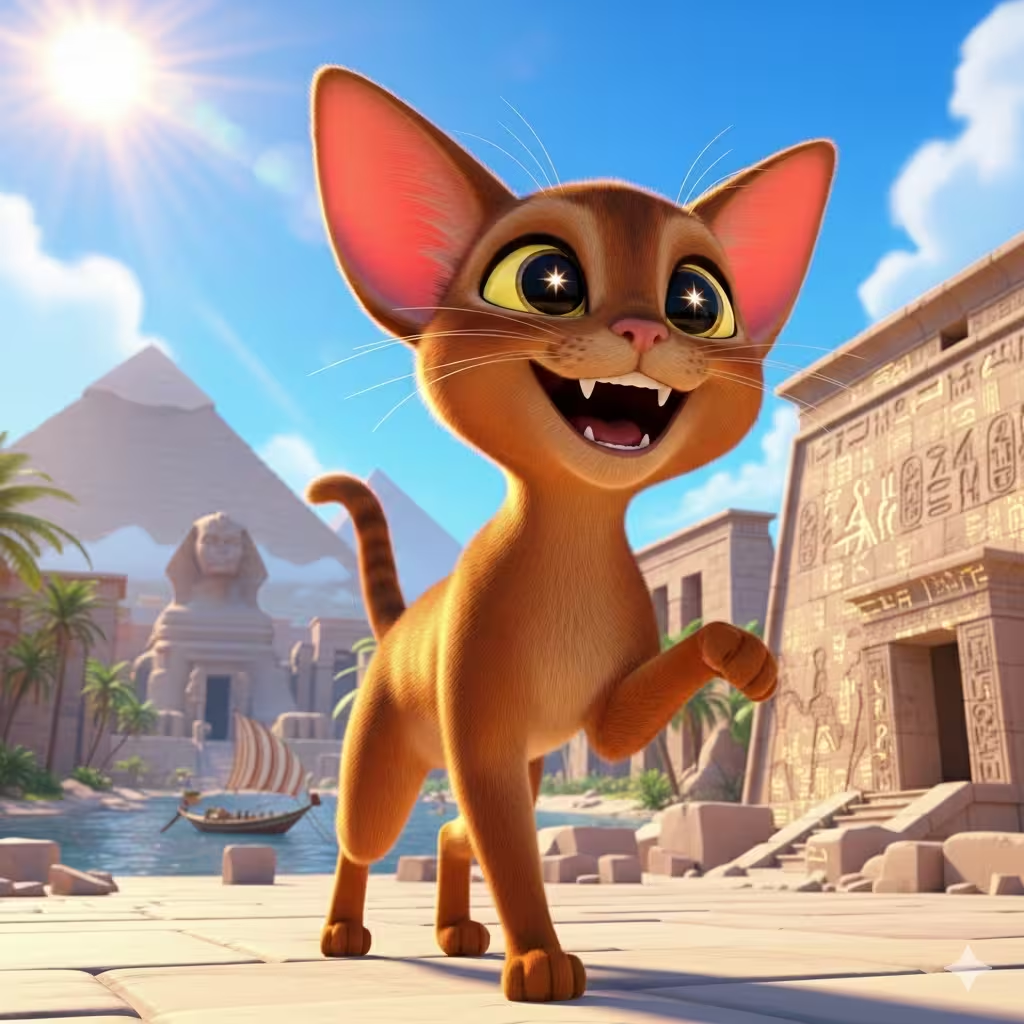
The Abyssinian cat, with its regal appearance and ancient lineage reminiscent of Ancient Egyptian iconography, stands as one of the most captivating and enigmatic feline breeds worldwide. Have you ever wondered about the behavioral traits of this intelligent and inquisitive breed, and why it so swiftly captures the hearts of its owners? Just as understanding its personality is essential for any caretaker, knowledge of its specific health requirements is vital to ensuring a long, healthy, and vibrant life. In this article, we provide a comprehensive exploration of this breed, from its fascinating origins to the genetic predispositions you must recognize. Are you prepared to learn the key care strategies and necessary screenings to ensure your companion remains energetic and healthy?
What you will read in this article
History of the Abyssinian Cat
As with many ancient feline breeds, the true origins of the Abyssinian remain obscured by time. One prevalent theory suggests that these distinctive cats originated from Abyssinia (modern day Ethiopia). However, according to recent findings, genetic studies indicate that their primary place of origin was likely Southeast Asia and the coastal regions of the Indian Ocean. The first documented export to Britain was a cat named Zula in 1868. The Abyssinian cat possesses a distinctive wild appearance, closely resembling the felines depicted in ancient Egyptian tombs. By the late 1800s, the “Aby” (as they are affectionately known) was recognized as a distinct breed. Residual tabby markings are often visible along the dorsal midline, around the eyes, and as faint, broken bars on the neck and legs.
It is noteworthy that breed standards vary significantly between different registries; for instance, the European type tends to be more extreme in conformation, with a broader range of accepted colors. The foundation stock for the American Abyssinian was imported from Britain in the 1930s. Following World War II, only 12 registered cats remained in England. Currently, the CFA (Cat Fanciers’ Association) does not permit any form of outcrossing for this breed.
History of the Abyssinian Cat: From Which Land Did It Originate?
The Abyssinian cat is undoubtedly one of the oldest known breeds; however, its exact time and place of origin remain a subject of debate. Some enthusiasts believe the ancestors of the Abyssinian hailed from Abyssinia (modern day Ethiopia), from which the breed takes its name. Others argue that the breed originated from the coastal regions of the Indian Ocean and parts of Southeast Asia; recent genetic studies support this, suggesting that the modern Abyssinian may descend from feline species found in those territories.
Legends and Ancient Origins of the Abyssinian Cat
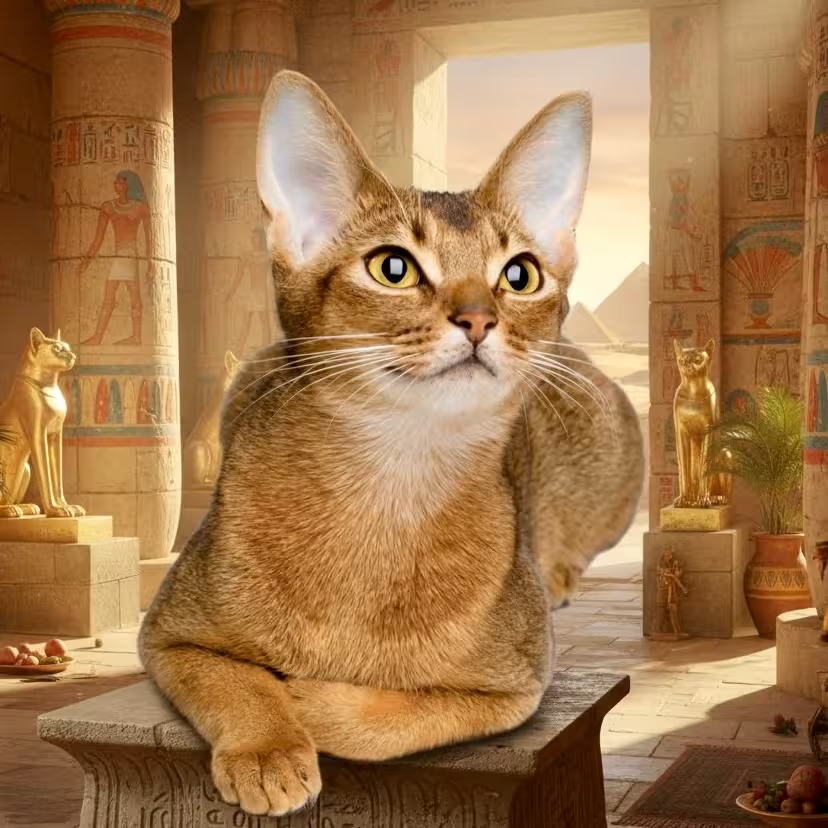
The most famous narrative posits that the modern Abyssinian is a descendant of the sacred cats worshipped 4,000 to 6,000 years ago as physical manifestations of deities in the temples and palaces of Ancient Egypt. Abyssinians bear a striking resemblance to the cats depicted in Egyptian murals and sculptures. Nevertheless, the African Wildcat (Felis silvestris lybica)—a species known to have been mummified by ancient Egyptians and believed by feline experts to be the progenitor of all domestic cats—shares this resemblance as well.
History of the Abyssinian Cat: From Britain to the Present Day
A cat named Zula, belonging to the wife of Captain Barrett Lennard, was transported from Abyssinia to England in 1868 following the Abyssinian War. This account is documented in Dr. William Gordon Stables’ 1874 book, Cats: Their Points and Characteristics, with Curiosities of Cat Life. However, whether Zula was truly an Abyssinian remains controversial. Illustrations of Zula depict a cat with very small ears and a head structure that differs significantly from the modern Abyssinian standard. Since there is no written evidence linking Zula to the current breed, some breeders believe the original bloodlines were lost and that the Abyssinian was recreated by British breeders through the selective breeding of domestic cats possessing similar ticking patterns. Regardless, the breed was undoubtedly promoted and refined by early British enthusiasts until World War II nearly decimated the population, forcing British breeders to start anew.
The Exhibition History of the Abyssinian Cat in Britain and the United States
Regardless of its true geographical origins, the breed was featured in the first modern cat show held in 1871 at London’s Crystal Palace. This landmark event was organized by Harrison Weir, a feline enthusiast often regarded as the “Father of the Cat Fancy.” An Abyssinian cat secured third place among approximately 160 entries, demonstrating that even in the early years of formal exhibition, the breed was recognized for its distinctive beauty and elegance. In his 1889 book, Our Cats and All About Them, Weir noted that the cats imported from Abyssinia possessed a sturdier build and fewer markings than the English variety.
The first two Abyssinian cats arrived in the United States from England in the early 1900s and were first exhibited in 1909. However, the cats recognized as the foundation stock for the modern North American breed were imported from Britain during the 1930s. It was during this period that active breeding of the Abyssinian commenced, and American breeders rapidly advanced the breed’s development. The breed gained immense popularity as enthusiasts discovered its aesthetic appeal and acrobatic movements. Today, the Abyssinian remains one of the most popular shorthaired breeds globally.
General Characteristics of the Abyssinian Cat
The ideal Abyssinian is a colorful cat with a distinctly ticked coat, medium in size, and possessing a regal appearance. They are lithe, strong, and muscular, exhibiting keen activity and a vigorous interest in their surroundings. This breed is remarkably well balanced, both temperamentally and physically.

Grooming and Hygiene Requirements
Due to its short and dense coat, the Abyssinian requires minimal grooming. Weekly brushing is sufficient to remove dead hair and maintain the coat’s natural luster. Nail maintenance is equally crucial; given their high energy levels, their claws grow rapidly and should be trimmed every two weeks to prevent overgrowth and related complications. Regarding bathing, these cats generally do not require frequent baths and should only be washed if significantly soiled. Furthermore, to ensure optimal health, regular dental care (tooth brushing) and ear cleaning must not be overlooked.
Aesthetic Maintenance
This breed demands low maintenance in terms of grooming. A weekly rubdown with a chamois cloth or manual hand grooming is usually adequate to keep the coat in top condition.
Exercise and Physical Activity Needs
The Abyssinian is a natural athlete with a profound need for daily physical exertion and mental stimulation. To prevent boredom, destructive behaviors, and weight gain, these cats require at least 30 to 60 minutes of daily activity. Interactive toys, such as food puzzles and motorized toys that challenge their intelligence, are excellent choices. They hold a strong affinity for games like “fetch” and climbing on cat trees. Providing ample opportunities for play not only aids in energy expenditure but also strengthens the emotional bond between the owner and the cat.
Engagement and Enrichment Duration
Due to their exceptionally high energy levels and superior intelligence, Abyssinians require significant time for play and entertainment. On average, they should engage in 30 to 60 minutes of physical and mental activity daily. It is recommended to divide this time into several short sessions throughout the day, such as two or three 15 to 20 minute sessions. These activities are vital not only for energy release but also for cognitive stimulation and boredom prevention. They gravitate toward interactive play and cognitive toys that allow them to utilize their intelligence for problem solving and predatory mimicry.
Can the Abyssinian Cat Be Left Alone? Suitability for Working Professionals
The Abyssinian, due to its highly social nature and superior intelligence, demands significant interaction and attention. They are prone to boredom, and prolonged isolation may lead to separation anxiety and destructive behaviors. Consequently, while they can endure brief periods of solitude, this breed is not the ideal choice for individuals away from home all day. However, if you are a working professional interested in this breed, you can manage their high energy and social needs by providing interactive and puzzle toys, considering a second feline companion as a playmate, and dedicating quality time for play and affection both before and after work.
Comprehensive Nutrition Guide for the Abyssinian Cat
Given their high metabolic rate and extraordinary energy levels, the Abyssinian requires a premium, high quality diet. A suitable nutritional plan for this breed should be rich in animal based proteins while avoiding low quality filler carbohydrates. Wet food (canned) can assist in meeting their hydration requirements, helping to prevent urinary tract issues common in the breed. Addressing their specific nutritional needs from an early age supports muscle health and ideal body weight, ultimately reducing the clinical impact of certain genetic predispositions.
Personality and Temperament of the Abyssinian
Abyssinians are not suited for those seeking “ornamental” cats or those who desire a lap cat for constant cuddling. They are courageous, inquisitive, and high spirited; when picked up, they often transform into a struggling bundle of fur seeking release. However, this does not imply indifference or aloofness. They are affectionate, devoted, and loving companions. They prefer sitting beside you rather than on your lap. Nonetheless, they will follow you from room to room to observe your activities. While capable of self entertainment, they are happiest when involved in every aspect of your life, especially during meal times. You will certainly know it is dinner time when these “furred flint missiles” lean against your legs in search of food.
Ethological Traits and Behavioral Habits
The reported characteristics and behaviors for this breed include:
• Athletic and Highly Active: Natural jumpers who seek high vantage points.
• Affectionate and Intelligent: Highly attached to their caregivers, often seeking attention.
• Social Dynamics: They thrive in the company of other cats and generally possess a quiet voice.
• Interactive Play: They enjoy games such as “fetch” and frequently perch on their owners’ shoulders.
• Water Affinity: Many individuals show a fascination with water, using their paws to drink or play.
Providing climbing trees and vertical space is highly recommended to satisfy their natural instincts.
Ethology of the Abyssinian Cat
The Abyssinian is renowned for performing dramatic maneuvers to entertain both itself and its owners, earning the moniker “Clowns of the Cat World.” They are known to perch on shoulders, burrow under blankets, and purr intensely by your side, only to suddenly dash away to chase imaginary butterflies or launch leaping attacks on the highest bookshelves. As natural born athletes, no closed room or cabinet is safe from their agile paws and inquisitive minds. Vocally, they tend to be quiet; otherwise, due to their extreme activity levels, they could be quite overwhelming companions. However, they purr with great enthusiasm, particularly around meal times. If you are away from home all day, providing a feline companion is essential to prevent boredom and subsequent destructive behaviors. For those with demanding work schedules and active social lives at night, a more sedentary breed might be a more suitable choice.
Compatibility with Families, Children, and Other Pets
Due to its highly social, playful, and energetic nature, the Abyssinian is considered an ideal family pet. Their superior intelligence and curiosity allow for excellent interaction with children, as they readily engage in various activities. They thrive on attention and often become a central family member involved in all household dynamics. Furthermore, Abyssinians generally coexist well with other pets, especially other cats and “cat-friendly” dogs that respect their playful temperament. With proper and gradual introduction, these cats can swiftly adapt to new environments and companions.
Trainability and Cognitive Learning
The Abyssinian is among the most trainable feline breeds due to its extraordinary cognitive abilities. This breed seeks mental challenges and is easily entertained by intellectual puzzles and interactive toys. Their high trainability allows owners to teach simple commands such as “come,” “sit,” and even “fetch.” Additionally, many owners successfully use positive reinforcement to leash train their Abyssinians for outdoor walks. For this breed, training is not merely about discipline but serves as a vital tool for mental stimulation and boredom prevention.
Life Expectancy and Geriatric Care: Longevity of the Abyssinian
The average life expectancy of an Abyssinian is approximately 12 to 15 years, though many can live longer with optimal care. As they enter their senior years (around age 10), they may become less active, and the prevalence of age-related conditions such as Chronic Renal Failure (CRF), Arthritis, and Hyperthyroidism increases. Regular veterinary check-ups, transitioning to a specialized senior diet, and monitoring subtle behavioral changes are critical in geriatric care. Early intervention is key to maintaining their quality of life and comfort during their senior years.
Morphological Characteristics and Clinical Health of the Abyssinian
The Abyssinian is a “ticked” or “agouti” breed. Its unique coat appearance results from the distribution of color bands on each individual hair shaft. The ground color (lighter base) is closest to the skin, with each hair displaying dark bands contrasting with lighter ones, culminating in a dark tip.
Clinical Health and Genetic Predispositions
While Abyssinians have relatively few genetic defects, like their long-haired counterparts (the Somali), they are predisposed to Dental Calculus accumulation and Gingivitis. Left untreated, gingivitis may progress to Periodontal Disease, leading to tooth loss, tissue degradation, and alveolar bone resorption, compromising the cat’s systemic health.
Two critical hereditary conditions observed in certain lineages are:
1. Renal Amyloidosis: An inherited disease that can lead to progressive renal failure.
2. Pyruvate Kinase Deficiency (PK Deficiency): Resulting in hereditary hemolytic anemia.
It is imperative for veterinarians and breeders to ensure genetic screening for PK Deficiency is performed, with written health guarantees provided.
Physical Specifications
• Weight: 4 to 5.5 kg (9 to 12 lbs).
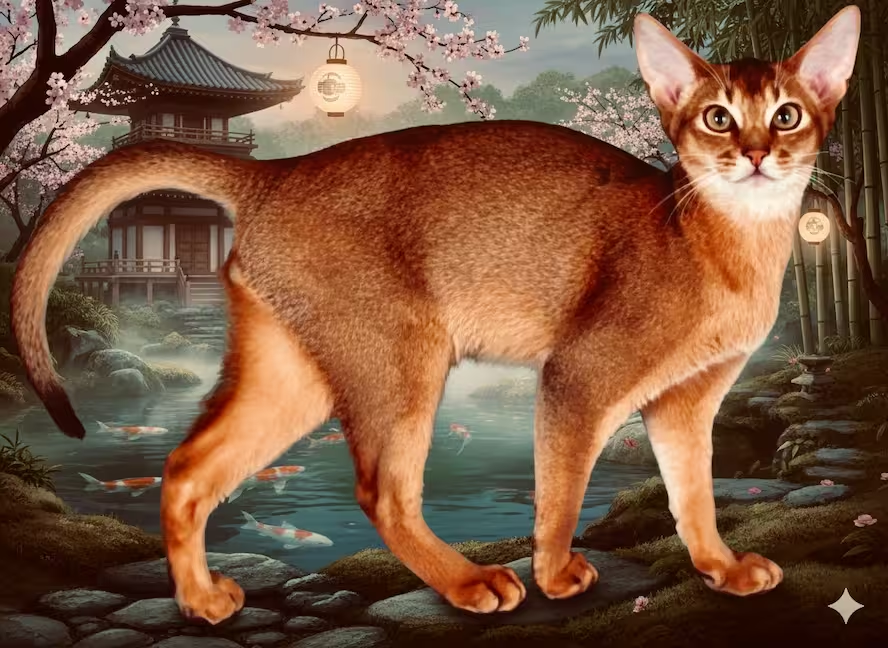
• Body Conformation: A medium-sized, lithe, and graceful body showing well-developed muscular strength without coarseness. The build is an intermediate type between “cobby” and “slinky” (oriental) extremes. Overall balance and proportion are more desirable than size alone.
Anatomical Details
• Head: A modified, slightly rounded wedge without flat planes. The brow, cheek, and profile lines show a gentle contour. A slight rise exists from the bridge of the nose to the forehead. The muzzle is neither sharply pointed nor square, with a firm chin.
• Ears: Alert, large, and moderately pointed. They are broad and cupped at the base, as if in a “listening” posture.
• Eyes: Large, almond-shaped, and expressive. They are neither round nor oriental in shape. The eyes are highlighted by a fine dark line surrounded by a lighter area. Accepted colors include rich, deep gold or green.
• Extremities: Legs and feet are proportionately slim and fine-boned. This gives the impression of the cat standing “on tip-toe.” Paws are small, oval, and compact (5 toes in front, 4 in back).
• Tail: Thick at the base, relatively long, and tapering toward the end.
Coat and Coloration
The coat is soft, silky, fine-textured, and dense. It must be long enough to accommodate two or three dark bands of ticking.
Abyssinian Cat Color Varieties:
• Ruddy: Rich honey brown base ticked with dark brown or black.
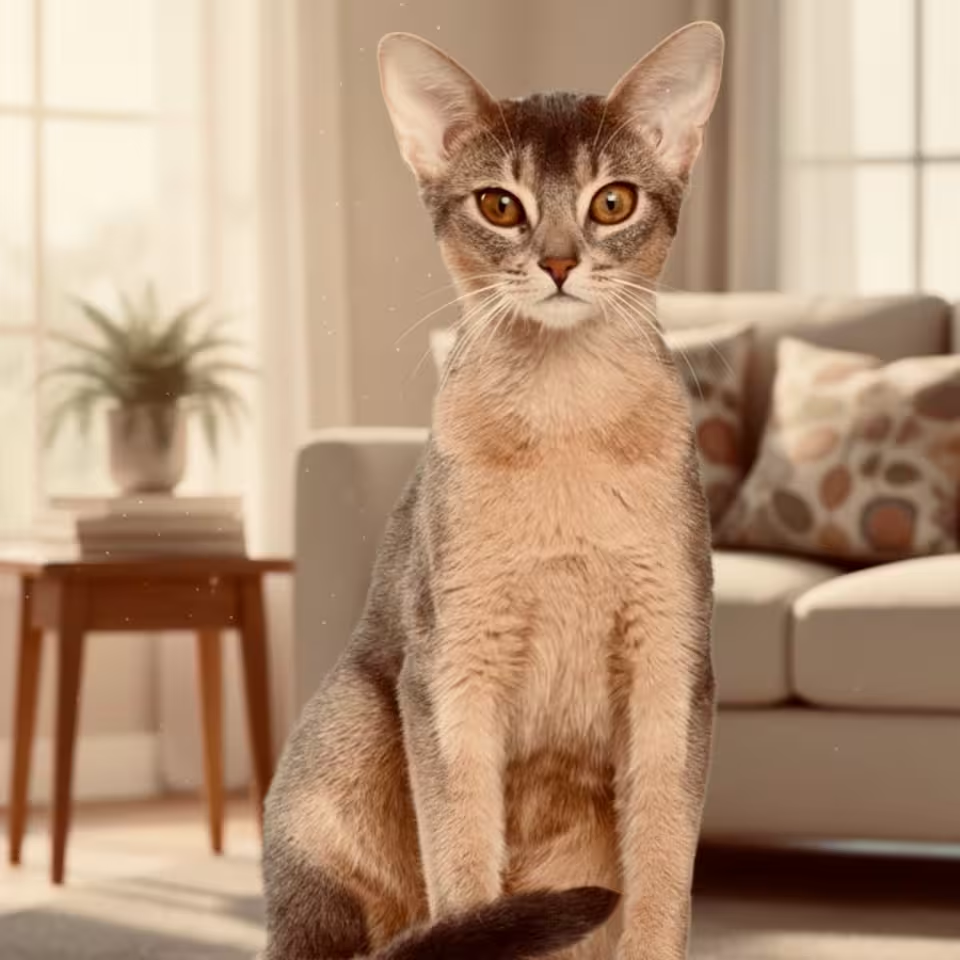
• Blue: Pale beige (oatmeal) base ticked with slate blue.
• Sorrel: Rich ginger red (apricot) base ticked with chocolate brown.
• Fawn: Pale orange (pinkish beige) base with milk chocolate ticking.
• Lilac and Silver: Varieties not yet accepted in North American registries.
Natural Variations and Clinical Considerations in Abyssinians
• Litter Size: Abyssinians typically have a smaller litter size compared to many other domestic breeds.
• Maturity Rate: This breed is characterized by an accelerated rate of physical and sexual maturation.
Drug Sensitivities in the Abyssinian
To date, no specific drug sensitivities have been formally documented in peer reviewed scientific literature. However, there have been anecdotal reports and unofficial clinical observations regarding a potential sensitivity to Griseofulvin. As a veterinary precaution, caution is advised when administering this antifungal medication to this breed.
Guide to Selecting a Reputable Abyssinian Breeder
Selecting a reputable breeder is the most critical step in ensuring the health and temperament of your Abyssinian. A responsible breeder performs comprehensive genetic screenings on parental stock for prevalent conditions such as Pyruvate Kinase (PK) Deficiency and Progressive Retinal Atrophy (PRA), and will readily provide these medical records.
It is essential to meet the kittens’ parents and inspect their living environment. Ethical breeders do not supply kittens to pet stores and will answer all inquiries regarding the breed’s lineage and health with transparency and expertise.
Prevalent Pathologies in the Abyssinian Breed (Professional Veterinary Reference)
For the veterinary practitioner, understanding breed-specific predispositions in the Abyssinian is paramount for accurate differential diagnosis. This breed is susceptible to several hereditary disorders, most notably Familial AA Amyloidosis—which carries a guarded prognosis—and Pyruvate Kinase (PK) Deficiency, an autosomal recessive trait resulting in regenerative hemolytic anemia. Furthermore, Progressive Retinal Atrophy (PRA) remains a significant ophthalmic concern leading to gradual blindness. Clinical attention should also be directed toward the high prevalence of Chronic Kidney Disease (CKD), predisposition to Feline Dilated Cardiomyopathy (FDC), and orthopedic conditions such as Hip Dysplasia and Patellar Luxation. Timely diagnosis through genetic screening and biochemical profiling is essential for effective management and optimizing the feline’s quality of life.
Renal Amyloidosis: The Primary Hereditary Pathology
Amyloidosis may manifest secondary to chronic inflammatory processes or as a primary hereditary condition. In the Abyssinian and Somali breeds, it is categorized as a primary pathology. The condition involves the deposition of Amyloid AA (a neutral, beta-pleated fibrillar protein) within the glomeruli and medullary interstitium, consequently inducing papillary necrosis and medullary interstitial fibrosis.
Renal amyloidosis in this breed is a subset of systemic amyloidosis. In most, if not all affected felines, deposits occur across various organs (e.g., the thyroid); however, the primary clinical presentation arises from renal involvement. Chronic Renal Failure (CRF) is a typical clinical manifestation observed in juvenile and young adult cats. Notably, severe proteinuria is relatively rare in cats (compared to canine amyloidosis) because the most profound interstitial changes affect the medulla rather than the glomeruli.
Clinical Presentation, Inheritance, and Diagnostics
The typical age of onset ranges from 1 to 5 years, with a reported female-to-male ratio of 1.4:1. Initial evidence of renal amyloid deposition can be detected as early as 9 to 24 months of age. An autosomal dominant inheritance with variable penetrance has been proposed. In some individuals, renal failure may become apparent within a year, while in others, the deposition is indolent, allowing for a clinically normal lifespan.
Definitive Diagnosis:
• Surgical Biopsy: Obtaining samples from both the renal medulla and cortex is the most reliable diagnostic method.
• Histopathology: In addition to standard H&E staining, Congo Red staining is mandatory to highlight amyloid deposits under polarized light.
Epidemiology and Prevalence
Data from studies conducted between 1983 and 1997 (e.g., in the Netherlands) indicated that 3.1% of 258 Abyssinian referrals were diagnosed with AA Amyloidosis, often linked to inbreeding. Additionally, comorbid inflammatory conditions (such as rhinitis or Feline Infectious Peritonitis – FIP) were present in 25% of affected cases.
Genetics and Environmental Synergism
The predisposition to amyloidosis (involving apolipoprotein – Serum Amyloid A or SAA) has not yet been isolated as a purely monogenic issue. Protein sequencing has identified amino acid substitutions common across various breeds. This suggests that while genetic susceptibility exists, extrinsic triggers—such as chronic inflammation or specific viral infections—may act as catalysts for the clinical and phenotypic expression of the disease. Current research suggests the involvement of at least three distinct genes.
Ocular Pathologies in the Abyssinian: From Retinal Atrophy to Lipid Abnormalities
Autosomal Recessive Rod-Cone Degeneration (rdAc) / Progressive Retinal Atrophy (PRA)
The onset of rdAc typically occurs in early adulthood (1.5 to 2 years of age), slowly progressing toward generalized retinal atrophy by middle age. A significant abnormality in plasma lipids has been identified in association with this ocular condition: a reduction in plasma levels of Docosahexaenoic Acid (DHA), an omega-3 fatty acid. DHA is the primary fatty acid within the outer segments of retinal rod cells. This pathology exhibits close similarities to Retinitis Pigmentosa in humans.
Inheritance Patterns and Clinical Manifestations
The inheritance pattern of PRA is strictly autosomal recessive. An early clinical report from a Swedish cohort utilized indirect binocular ophthalmoscopy to evaluate 205 Abyssinians over the age of two; the study revealed that 34% exhibited bilateral disease, while 45% showed involvement in one or both eyes.
Ophthalmoscopic Progression:
• Ages 1.5 to 2 Years: Initial changes include a color shift in the peripheral tapetal fundus to brown or gray, accompanied by retinal vascular attenuation.
• Age 3 Years: The tapetal color transitions to a distinct gray.
• Terminal Stages: Advanced tapetal hyperreflectivity and severe vascular attenuation are observed. The Pupillary Light Reflex (PLR) becomes diminished or entirely absent. The latest documented age for disease onset is four years.
Early Clinical Indicators in Abyssinian Kittens
Kittens homozygous for the rdAc allele exhibit abnormal Electroretinogram (ERG) readings as early as eight weeks of age, despite the feline retina only reaching full maturity at approximately ten weeks. Ophthalmoscopic examinations may remain clinically unremarkable until the cat reaches two years of age. Furthermore, research confirms an early depletion of the Interphotoreceptor Retinoid-Binding Protein (IRBP) between four and six weeks of age in homozygous kittens. This protein plays a crucial role in binding fatty acids within the retina.
Advanced Scientific Findings in PRA and Genetics
The initial uniform distribution of retinal pathology eventually shifts toward a preferential preservation of central retinal function, with progressive loss in the periphery. In terminal stages of PRA, retinal blood flow is severely compromised.
Histopathological Observations:
• Photoreceptor Loss: Immunocytochemical studies using antibodies against green and blue sensitive cones show a primary reduction in these populations, while the inner retina remains largely intact.
• Microscopic Anatomy: In the final stages, the ERG becomes non-recordable, and significant retinal thinning occurs. Recent electron microscopy data reveals abnormalities in the arterial walls of iris vessels despite normal innervation. Additionally, the ciliary processes are notably shorter and more condensed compared to healthy felines.
• Genotype-Phenotype Correlation: Studies of closed colonies indicate that the rdAc allele is found with moderate frequency among European and Australian Abyssinian populations.
Rdy Dysplasia in the Abyssinian: Symptoms, Inheritance, and Genetic Mutation
A second type of retinal pathology has been documented in the Abyssinian, characterized by an autosomal dominant inheritance pattern. Visual deficits in this condition are congenital, and horizontal nystagmus may be observed clinically. By four weeks of age, mydriasis (pupillary dilation) becomes apparent, followed by significant visual impairment or total blindness by 12 to 16 weeks.
Early retinal changes occur as early as two weeks of age, affecting both rod and cone cells simultaneously. The progressive loss of function radiates from the central retina toward the periphery. Reported primarily in the United Kingdom, this condition is classified as a true dysplasia, as the photoreceptors never reach functional maturity. A single mutation, identified as a single base pair deletion in exon 4 of the feline CRX gene, disrupts the formation of a key protein essential for retinal development.
Arterial Thromboembolism (ATE) in the Abyssinian
In a comprehensive study involving 127 cats diagnosed with Arterial Thromboembolism, the Abyssinian was identified as one of the three breeds with an incidence rate significantly higher than statistically expected. This suggests a potential breed-related predisposition to feline aortic thromboembolism that necessitates clinical vigilance.
Renal Failure in the Abyssinian: Screening and Prevention
Given the identified breed predisposition to renal pathologies, routine screening of renal function is imperative. For Abyssinians aged eight years and older, a minimum protocol consisting of Serum Creatinine levels and Urinalysis (including Specific Gravity and Proteinuria assessment) is recommended to ensure early detection and management of chronic kidney disease.
Hematological Disorders and Blood Groups in the Abyssinian: From Prevalence to Neonatal Isoerythrolysis Risk
Prevalence of Blood Group B
Geographical variations in blood group distribution have been documented. While a small study in Hungary reported a 0% prevalence for Blood Group B, North American studies indicate a prevalence between 13.5% and 20%. A meta-analysis suggests an overall prevalence of 16% for Group B in Abyssinians. Notably, in an Australian cohort of PK-deficient cats (n=36), all individuals tested as Blood Group A.
Neonatal Isoerythrolysis (NI)
The reported risk ratio for matings susceptible to Neonatal Isoerythrolysis in this breed is 0.12. This necessitates blood typing of queens and toms prior to breeding to prevent feline erythroblastosis fetalis.
Pyruvate Kinase Deficiency (PKD): An Inherited Erythropathy
The Pyruvate Kinase (PK) enzyme is a critical component of the anaerobic glycolytic pathway in erythrocytes. Enzyme dysfunction leads to ATP depletion and premature erythrocyte destruction. Affected cats present with variable degrees of anemia; severe, chronic hemolytic anemia accompanied by splenomegaly is common in clinical cases.
Increased Osmotic Fragility: An Inherited Erythrocyte Abnormality
Research has identified cases of increased erythrocyte osmotic fragility occurring independently of PK deficiency. The onset of anemia typically ranges from 6 months to 5 years (mean: 23 months). Clinical findings include:
• Hematocrit (PCV): Typically between 15% and 25%, occasionally dropping as low as 5%.
• Erythrocyte Morphology: Macrocytic anemia with significant reticulocytosis.
• Biochemical Profile: Elevated hepatic enzymes in some cases.
Pedigree analysis of affected Abyssinian and Somali cats suggests an autosomal recessive inheritance pattern for this primary osmotic fragility.
PK Deficiency in Abyssinian and Somali Breeds: Clinical Study Results
A longitudinal study on cats aged 1 to 10 years confirmed that PKD manifests as chronic, intermittent, hypochromic, and regenerative hemolytic anemia with mild splenomegaly. In these subjects, PK enzyme activity was measured at only 6% to 20% of normal values. The autosomal recessive nature of this condition is now firmly established. Unlike primary osmotic fragility, PKD cases usually show normal or only slightly increased osmotic fragility.
Case Report: Splenectomy as a Management Strategy for PKD
In a documented clinical case, a one-year-old male Abyssinian presented with splenomegaly, mild exercise intolerance, and severe regenerative hemolytic anemia. Laboratory findings showed PK activity at 15% of the norm. Following a splenectomy at 18 months of age, the patient showed significant clinical improvement, highlighting the role of the spleen in the sequestering of enzyme-deficient erythrocytes.
Comparative Analysis of Pyruvate Kinase Deficiency: Abyssinians vs. Canines
While Pyruvate Kinase Deficiency (PKD) is observed in both felines and certain canine breeds (such as Beagles, Basenjis, Westies, and Dachshunds), the clinical course differs significantly. Unlike dogs, which frequently develop secondary hepatic failure and osteosclerosis (bone hardening), affected Abyssinians and Somalis typically maintain a normal lifespan without these specific complications.
Clinical Presentation and Mortality in PK-Deficient Abyssinians
A recent longitudinal study (subjects aged 1 to 11 years) revealed that not all affected cats exhibit overt clinical symptoms. However, the mortality rate within the study group was approximately 25%, attributed directly to PK deficiency.
• Symptomatology: In over 50% of cases (mean age 1.7 years), the most frequent clinical signs included lethargy, diarrhea, inappetence, weight loss, pale mucous membranes, and icterus (jaundice).
• Laboratory Findings: Clinically ill cats typically showed elevations in bilirubin, globulins, and hepatic enzymes, alongside significant reticulocytosis.
• Veterinary Recommendation: Given that PK-deficient cats can remain asymptomatic for years, preoperative and pre-breeding genetic screening is imperative.
Anemia Across Age Groups
Anemia in the Abyssinian may manifest as early as six months of age. Interestingly, the condition has also been identified in geriatric patients (up to 12 years old) who appeared clinically unremarkable, emphasizing the need for routine hematological monitoring.
Systemic and Organ-Specific Predispositions
Renal Insufficiency
Epidemiological data from the Purdue University Veterinary Medical Database (analyzing 189,371 cases) revealed that the rate of renal failure in Abyssinians is more than double the baseline rate for the general feline population. The Odds Ratio (OR) for this breed is 2.42, with a reported prevalence of 2.85%.
Dental and Oral Pathologies
• Feline Odontoclastic Resorptive Lesions (FORLs): The Abyssinian is identified as one of the two breeds (alongside the Siamese) most susceptible to cervical neck lesions and resorptive dental disease.
• Gingivitis: Anecdotal clinical evidence suggests a significantly higher prevalence of gingival inflammation in this breed compared to others.
Urogenital and Behavioral Disorders
• Urinary Tract Infections (UTI): In a large-scale study of feline lower urinary tract disorders (FLUTD), Abyssinians showed a higher-than-expected incidence of bacterial UTIs.
• Psychogenic Alopecia and Hyperesthesia: Unofficial clinical reports indicate an increased breed predisposition to these neuro-behavioral conditions.
Feline Dilated Cardiomyopathy (FDC) and the Role of Taurine
The Abyssinian exhibits a breed predisposition to Dilated Cardiomyopathy (FDC), whereas the Hypertrophic (HCM) form is rarely documented in this breed.
• Clinical Features: The mean age of onset is 7 years. Unlike dogs, affected cats rarely present with coughing. Clinical signs include pleural effusion, cold extremities (due to poor perfusion), weakness, and azotemia.
• Auscultation: Findings often include systolic murmurs, gallop rhythms (S3), and arrhythmias (61% of cases, primarily ventricular).
• Taurine Supplementation: Since the introduction of taurine-fortified diets, mortality rates have decreased from 85% to a range of 30-50%.
• Diagnostics: Echocardiography remains the “gold standard” for definitive diagnosis. Affected patients are also at high risk for secondary Arterial Thromboembolism.
Orthopedic Pathologies: Hip Dysplasia and Patellar Luxation
Clinical research indicates a high prevalence of skeletal abnormalities in the Abyssinian. A specific study revealed that 38% of the subjects (n=69) exhibited abnormal patellar positioning with easy luxation. An autosomal dominant, yet likely polygenic, inheritance pattern has been proposed.
• Medial Patellar Luxation (MPL): Research conducted at the University of Pennsylvania showed that Abyssinians are predisposed to more severe forms of MPL compared to the general feline population.
• Hip Dysplasia (HD) Correlation: Cats diagnosed with MPL are three times more likely to concurrently suffer from Hip Dysplasia.
• Clinical Challenge: Since a significant majority of affected cats remain asymptomatic during routine gait analysis, many cases are underdiagnosed. A strong positive correlation between joint laxity and the development of HD has been confirmed through manual palpation and diagnostic imaging.
Susceptibility to Feline Infectious Peritonitis (FIP)
A retrospective 16 year analysis from a veterinary teaching hospital suggests that Abyssinians are significantly overrepresented in cases of Feline Infectious Peritonitis (FIP), indicating a potential genetic vulnerability to the feline coronavirus mutation.
Congenital Hypothyroidism and Dyshormonogenesis
Congenital hypothyroidism, specifically primary dyshormonogenesis, has been identified in related Abyssinian lineages as an autosomal recessive trait.
• Pathophysiology: The condition leads to a Thyroid Peroxidase (TPO) deficiency.
• Clinical Markers: Symptoms include disproportionate dwarfism, goiter, chronic constipation, and the retention of juvenile physical characteristics. Affected kittens exhibit stunted growth by 4 weeks and delayed exfoliation of deciduous teeth.
• Diagnostics: Low T3 and T4 levels with abnormal TSH and TRH responses. This condition is a documented differential for “Fading Kitten Syndrome.” Early hormone replacement therapy can significantly mitigate clinical signs.
Myasthenia Gravis (MG) and Thymoma
While Myasthenia Gravis can be congenital in some breeds, it is typically an acquired immune mediated disorder in Abyssinians and Somalis, with the relative risk increasing after three years of age.
• Clinical Presentation: Often associated with Dysphagia, Megaesophagus, and generalized muscle weakness. Felines may exhibit ventroflexion of the neck and distinctive gait abnormalities.
• Definitive Diagnosis: An Acetylcholine Receptor (AChR) antibody titer > 0.3 nmol/L is confirmatory. In some cases, a concurrent anterior mediastinal mass (Thymoma) is present.
Mycobacterium avium and Immunocompromise
Abyssinians and Somalis have shown a unique susceptibility to Mycobacterium avium complex infections, even when testing negative for FeLV and FIV.
• Symptoms: Progressive weight loss, lower respiratory tract infections, and lymphadenopathy.
• Etiology: A familial immunodeficiency is suspected in specific genetic lines. Long term multi drug protocols (e.g., Clarithromycin combined with Rifampicin or Doxycycline) are required for management.
Metabolic Disorders: Glycogen Storage Disease
A rare form of Glycogen Storage Disease has been documented in the breed, involving the accumulation of unbranched glycogen in skeletal muscles, myocardium, and the central nervous system. This metabolic defect leads to progressive paresis, eventually advancing to total paralysis.
Genetic Screening and Diagnostic Protocols for the Abyssinian
Given the breed’s predisposition to specific hereditary pathologies, periodic clinical screenings and genetic testing are essential for proactive health management. Genetic assays can pinpoint specific mutations associated with Pyruvate Kinase (PK) Deficiency and Progressive Retinal Atrophy (PRA), allowing for diagnosis during the preclinical phase. Furthermore, routine biochemical profiles to monitor renal function and periodic echocardiograms are vital for ensuring longevity and managing breed-specific risks.
Genetic Testing for Progressive Retinal Atrophy (PRA)
Direct molecular assays are available to identify the rdAc and Rdy mutations. These tests are the gold standard for identifying affected individuals and asymptomatic carriers within breeding programs.
PK Deficiency Screening: DNA Sampling and Methodology
DNA testing for PK Deficiency (PKD) is a definitive direct assay that categorizes felines into three groups: Affected, Carrier, or Normal (Clear).
• Indications: This test is strongly recommended for Abyssinians and Somalis presenting with anemia, relatives of known carriers, and all individuals intended for breeding.
• Sample Collection:
• Whole Blood: 1-2 ml of EDTA-anticoagulated blood is required. Samples must be processed within 48 hours and should be kept cool but never frozen.
• Buccal Swabs: Epithelial cell collection via cheek swabs is an alternative, provided sufficient cellular material (not just saliva) is obtained.
• Concurrent Testing: Blood typing can be performed simultaneously using the same EDTA sample.
The Role of Electroretinography (ERG) in Clinical Screening
Abyssinians affected by hereditary rod-cone degeneration can be screened during the preclinical stage using Electroretinography (ERG). This functional assay identifies at-risk individuals before funduscopic changes become visible.
Comparative studies between homozygous (affected) and heterozygous (carrier) cats demonstrate that affected individuals exhibit:
1. Reduced a-wave amplitude.
2. Increased b-wave implicit time.
3. Abnormal ERG waveforms.
4. Elevated b-wave to a-wave ratios.
Recent findings suggest that a “short ERG protocol” utilizing 12 specific parameters is highly efficient for differentiating between healthy felines and those with early-stage rod-cone dystrophy.
Nomenclature and Breed Registries
• Synonyms: Aby, Ticked Cat, Egyptian Cat.
• Informal Moniker: “Bunny Cat” (due to the ticked coat resembling a wild rabbit).
• Major Registries: FIFe, TICA, CFA, ACFA, CFF, CCA, NZCF, WCF, ACF, GCCF.
Concluding Remarks: The Abyssinian Breed Overview
The Abyssinian is an extraordinary breed that seamlessly blends aesthetic elegance with superior intelligence and vitality. As detailed in this comprehensive review, understanding their historical lineage and morphological standards is as critical as managing their specific clinical needs. Recognizing genetic predispositions is a powerful tool for the modern veterinarian. Through rigorous genetic screening, routine diagnostic monitoring, and owner education, we can ensure a high quality of life for this beloved companion.
References
- veterinary24.ir
- Veterinary Medical Guide to Dog and Cat Breeds: Jerold S. Bell (DVM), Kathleen E. Cavanagh (DVM), Larry P. Tilley (DVM), Francis W. K. Smith (DVM)
- Encyclopedia of Cat Breeds: J. Anne Helgren “A Complete Guide to the Domestic Cats of North America 2nd edition
Was this article helpful for you?